
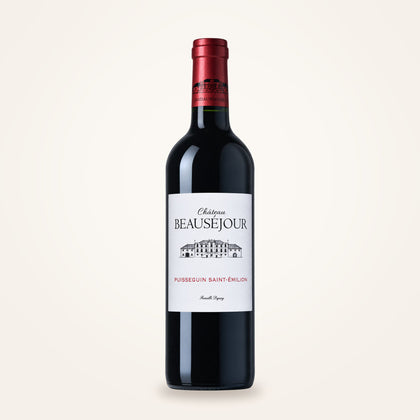
Saint-Émilion
Saint-Émilion is a Bordeaux town on the right bank where merlot leads, making soft, plummy reds that age well.


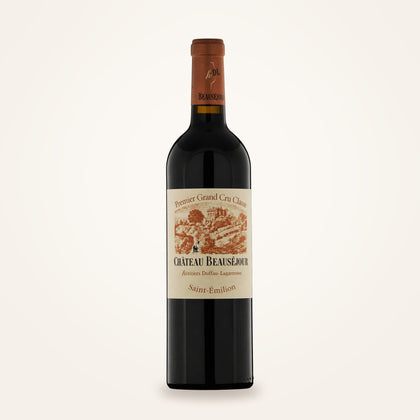


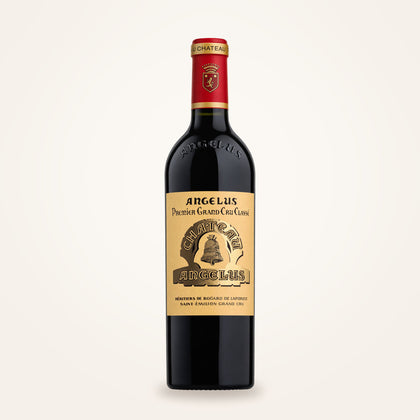


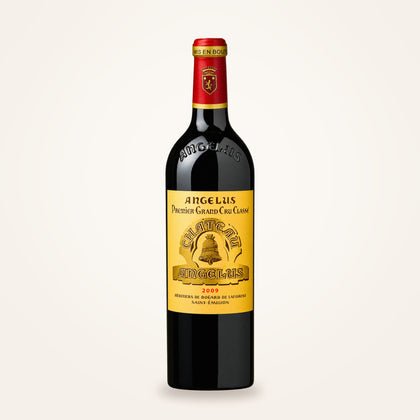


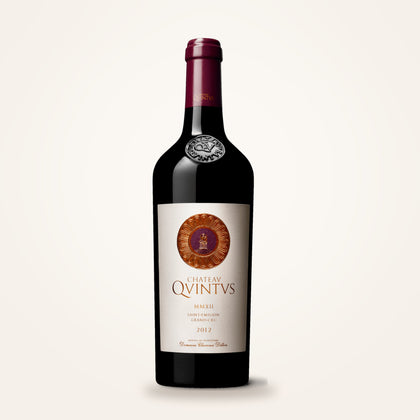
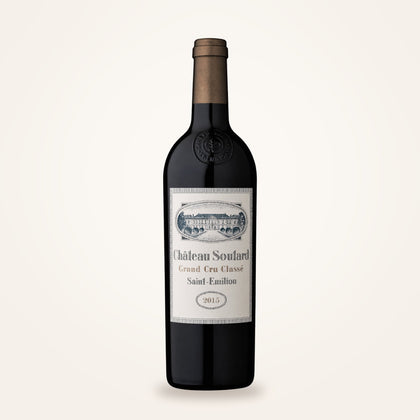
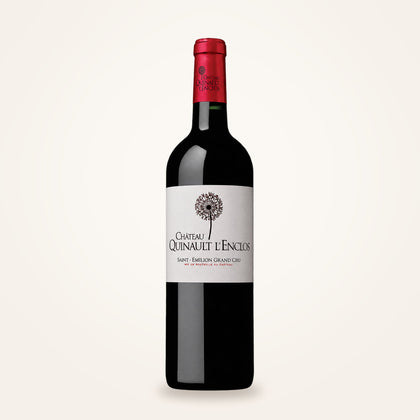
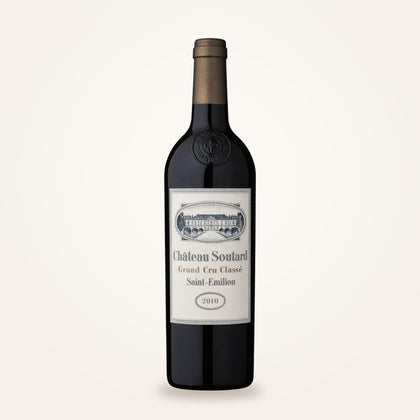
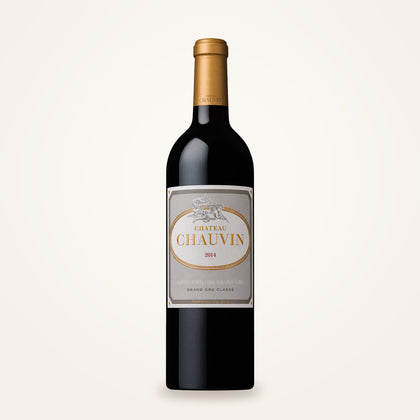
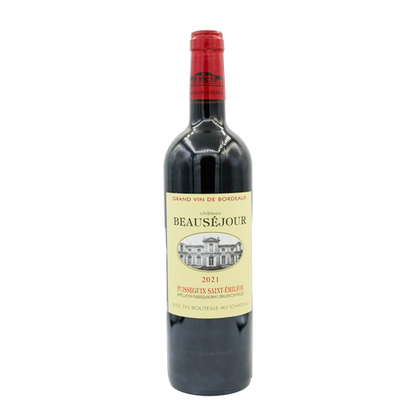
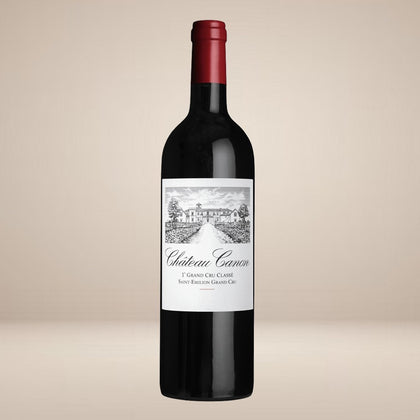
More Bordeaux Wine
Saint-Émilion questions
What does Saint-Émilion wine taste like?
Saint Émilion reds often show plum, black cherry, blackberry, cocoa, cedar, and earthy notes. Merlot is usually the leading grape, supported by Cabernet Franc and sometimes Cabernet Sauvignon. Compared with many Cabernet led Left Bank wines, the texture is often rounder and the fruit profile can feel more plush in youth.
Is Saint-Émilion a Merlot wine?
Merlot is the principal grape in Saint Émilion and typically shapes the area's ripe plum fruit and supple texture. Cabernet Franc is also widely planted and can add floral, savory, and structural notes. Individual blends vary, so a wine's label or technical sheet is the best guide to a particular bottle's composition.
What food pairs with Saint-Émilion?
Saint Émilion pairs well with duck breast, roast lamb, beef stew, mushroom risotto, and firm cheeses. The wine's Merlot driven roundness can also suit pork loin or roasted chicken with earthy sauces. For a young, more tannic bottle, choose a dish with protein and some fat to make the palate feel smoother.
How long can Saint-Émilion age?
Ageing potential ranges widely. Accessible Saint Émilion can drink well soon after release, while wines from strong vintages with concentration, tannin, and acidity may improve for a decade or more. Keep bottles cool, dark, and still. Open a mature bottle carefully and decant only briefly after checking how it tastes.