

Scaia Rosato 2025 (750ml)
$20.00

Brooklyn, New York
You must be 21 or older to enter Stella's Juice Box.
By entering, you confirm that you meet the legal drinking age requirement.
Stella's Juice Box, ready today
By styleRedWhiteRoséSparklingOrangeChillable redsGood to knowUnder $25NaturalOrganicNew York localNew arrivalsStella's Cellar, special order in 2 to 3 days
By colorRedWhiteRoséSparklingChampagnePort & fortifiedRegionsBurgundyBordeauxChampagnePiedmontTuscanyNapa ValleyRiojaOregonGrapesChardonnayPinot NoirCabernet SauvignonNebbioloRieslingSauvignon BlancSyrahMalbecCountriesFranceItalySpainUnited StatesGermanyPortugalAustriaArgentinaExplore Stella's CellarStella's Juice Box, ready today
By typeWhiskeyBourbonTequilaGinVodkaLiqueurBar & moreAmaroAperitivoBittersSakeSojuCanned cocktailsUnder $40Stella's Cellar, special order in 2 to 3 days
WhiskeyAll whiskeyScotchSingle maltRyeAmerican whiskeyJapanese whiskyAgave & brandyTequilaMezcalCognacArmagnacBrandyCalvadosBarRumGinLiqueurVermouthPort & fortifiedExplore Stella's Cellar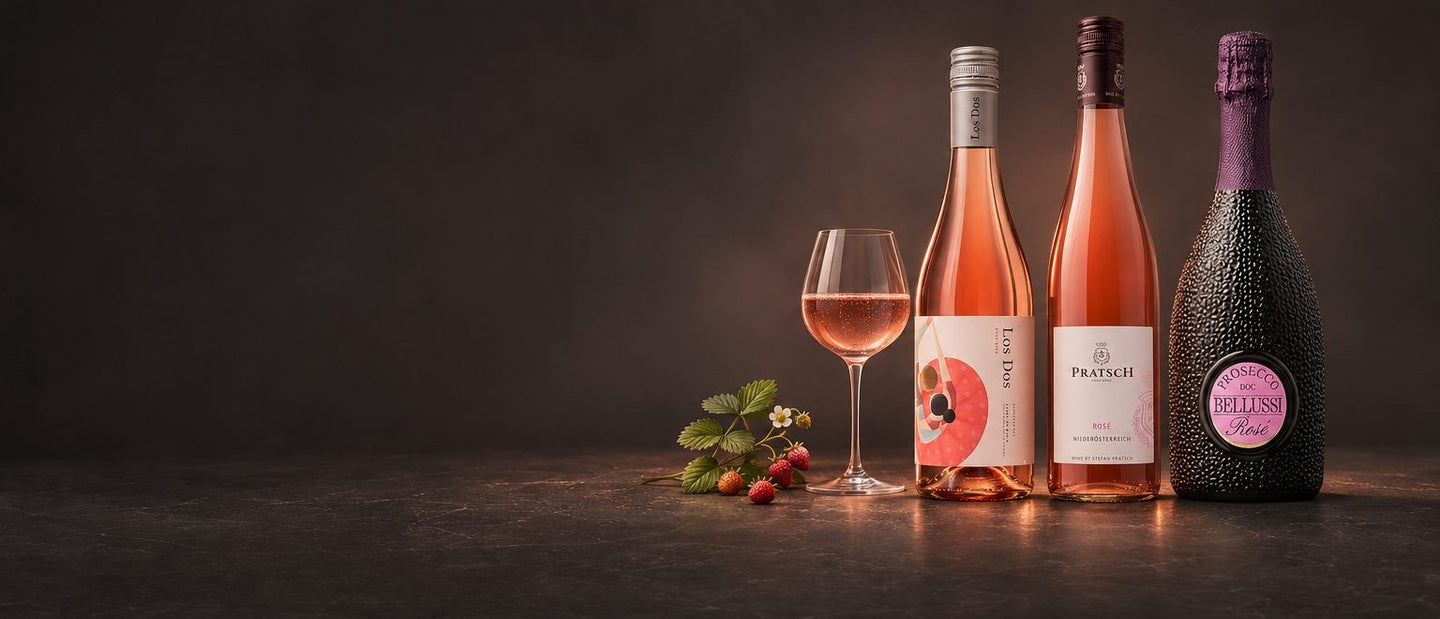
Pale, dry Provence rosé fills the biggest part of this shelf.
Want it today? 32 bottles are in stock at the shop for pickup or local delivery in Brooklyn.
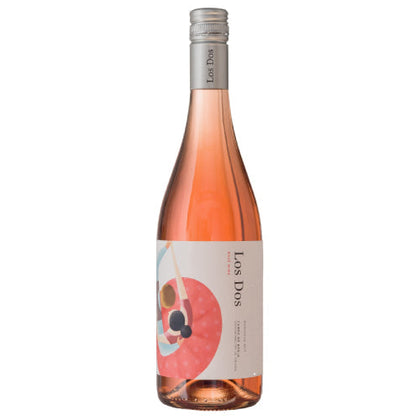
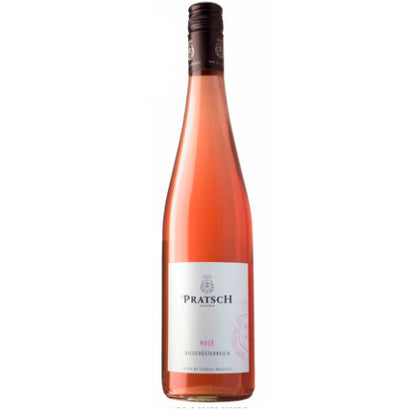
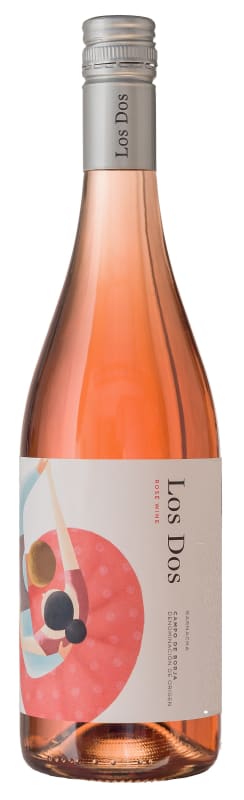
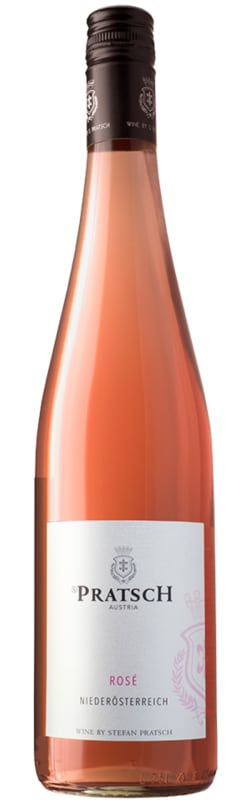
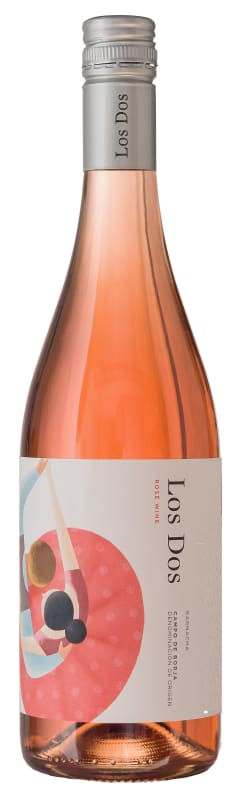
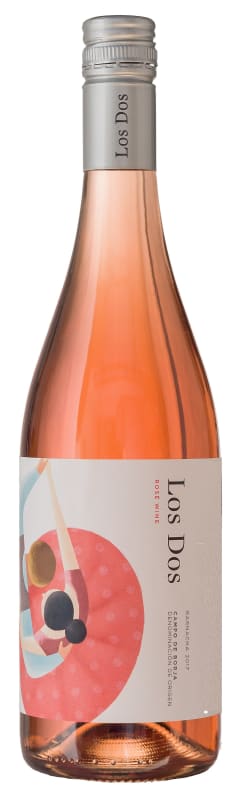
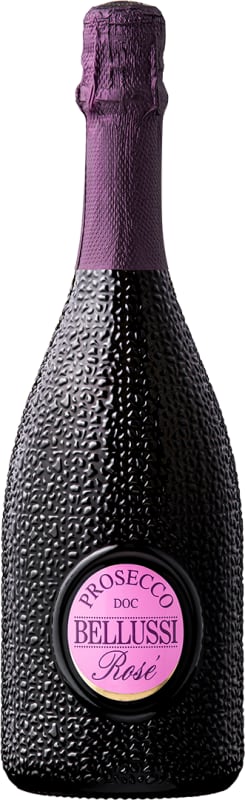

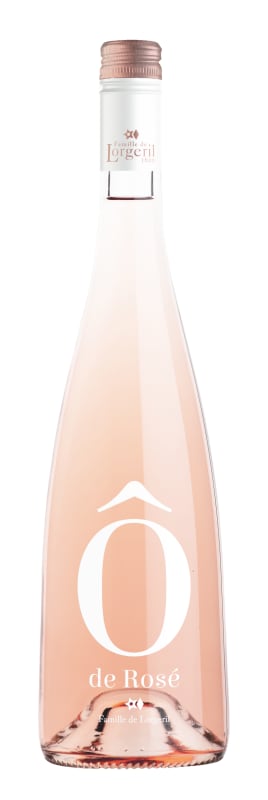
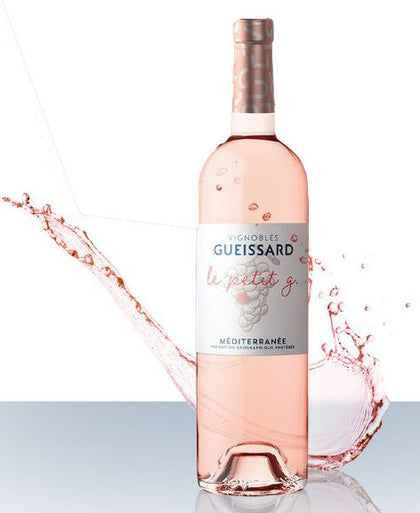
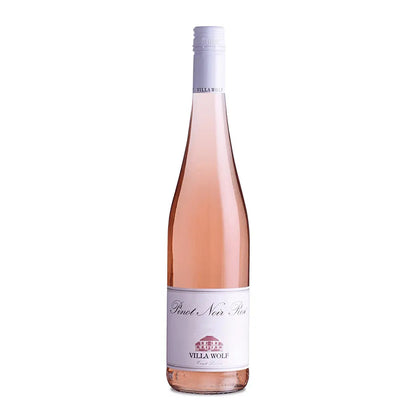
Rosé is wine made from red grapes with only brief contact between the juice and the skins, usually a few hours to a day. That's enough to give the wine its pink color without much tannin. Rosé is then fermented like a white wine. It can be made from almost any red grape, like grenache, cinsault, pinot noir, syrah or sangiovese.
Most rosé from Europe, especially Provence and the rest of France, Spain and Italy, is dry. Sweeter styles include white zinfandel, some blush wines and a few New World rosés with residual sugar. The color isn't a guide to sweetness. If you want dry rosé, look for Provence, Tavel, or bottles labeled brut or dry.
Yes, for most rosé. Its appeal is fresh fruit and crisp acidity, which are best within a year or two of the vintage. A few serious rosés can age longer, especially Bandol, made mostly from mourvèdre, and Tavel from the southern Rhône, which develop savory, complex flavors over several years.
No. The color of rosé comes from how long the juice stays in contact with the red grape skins and which grape is used, not from sugar. A pale Provence rosé and a deep pink rosé from Tavel or Spain can both be completely dry. Darker rosés tend to be fuller and fruitier, which suits richer food.