

Les Bidules Rose 750ML
$24.00

Brooklyn, New York
You must be 21 or older to enter Stella's Juice Box.
By entering, you confirm that you meet the legal drinking age requirement.
Stella's Juice Box, ready today
By styleRedWhiteRoséSparklingOrangeChillable redsGood to knowUnder $25NaturalOrganicNew York localNew arrivalsStella's Cellar, special order in 2 to 3 days
By colorRedWhiteRoséSparklingChampagnePort & fortifiedRegionsBurgundyBordeauxChampagnePiedmontTuscanyNapa ValleyRiojaOregonGrapesChardonnayPinot NoirCabernet SauvignonNebbioloRieslingSauvignon BlancSyrahMalbecCountriesFranceItalySpainUnited StatesGermanyPortugalAustriaArgentinaExplore Stella's CellarStella's Juice Box, ready today
By typeWhiskeyBourbonTequilaGinVodkaLiqueurBar & moreAmaroAperitivoBittersSakeSojuCanned cocktailsUnder $40Stella's Cellar, special order in 2 to 3 days
WhiskeyAll whiskeyScotchSingle maltRyeAmerican whiskeyJapanese whiskyAgave & brandyTequilaMezcalCognacArmagnacBrandyCalvadosBarRumGinLiqueurVermouthPort & fortifiedExplore Stella's Cellar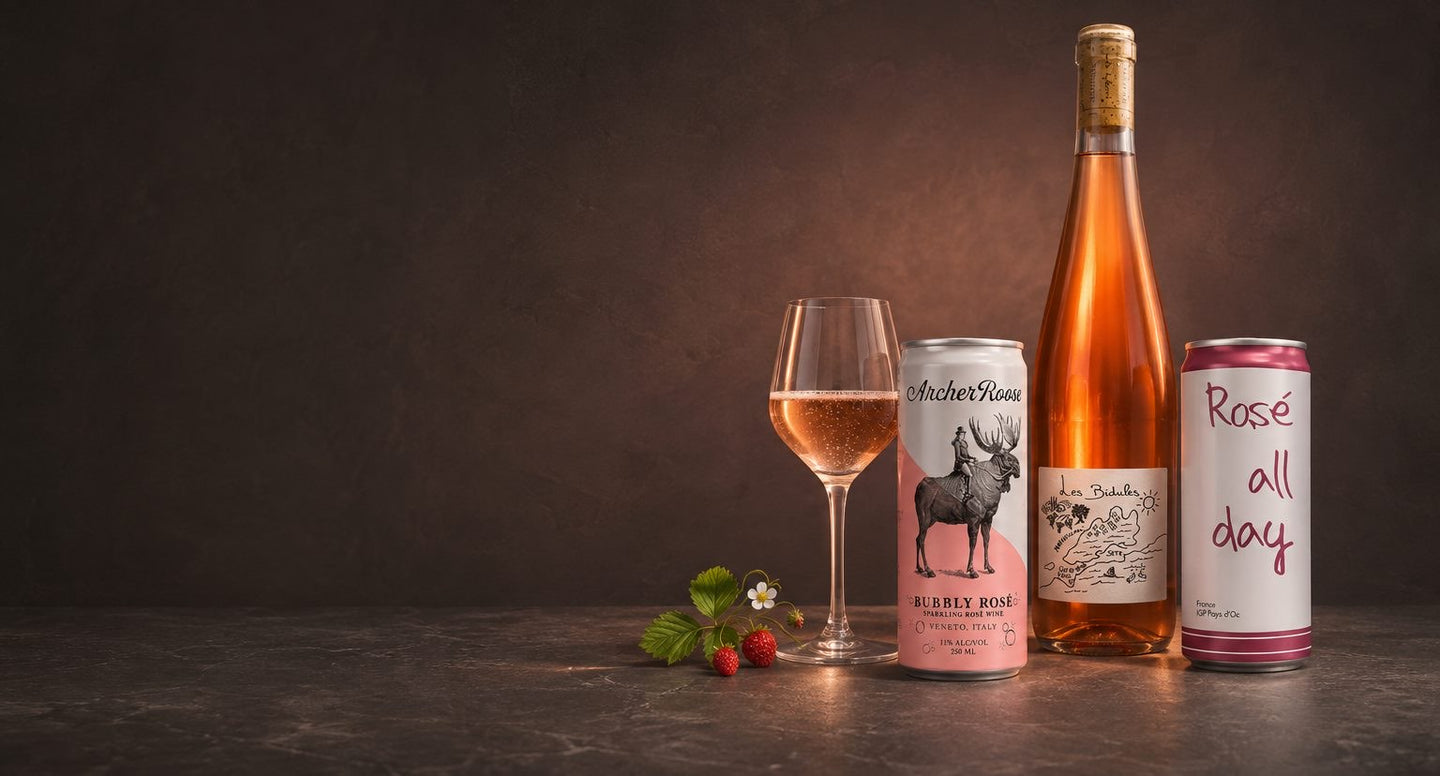
Our rosé leans dry and pale, with most bottles from Provence and the south of France.
Need something rarer? Browse 241 more in Stella's Cellar, our special-order shelf, ready in 2 to 3 days.
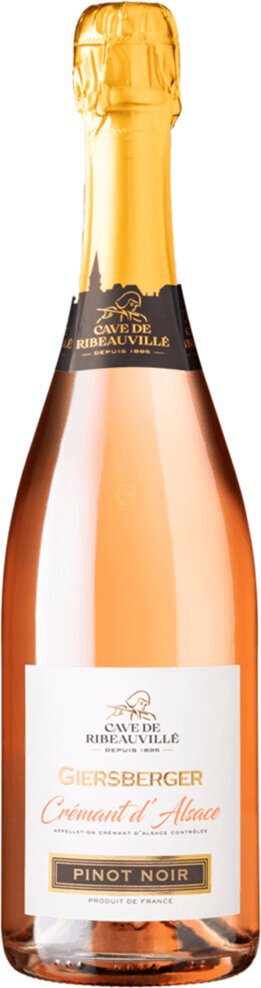

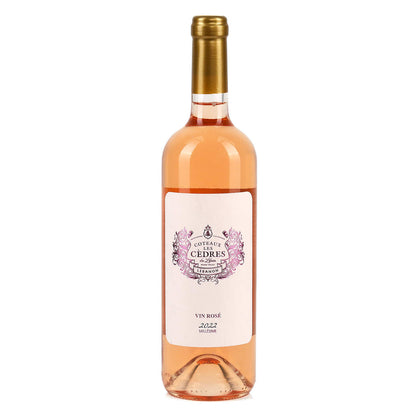


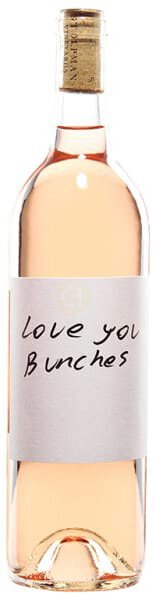
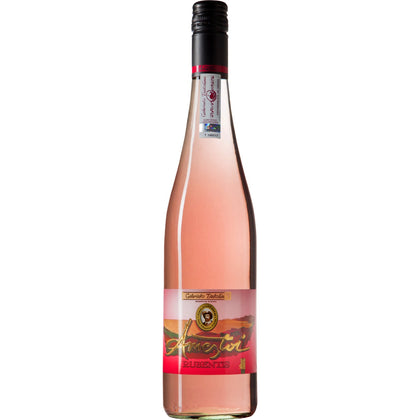
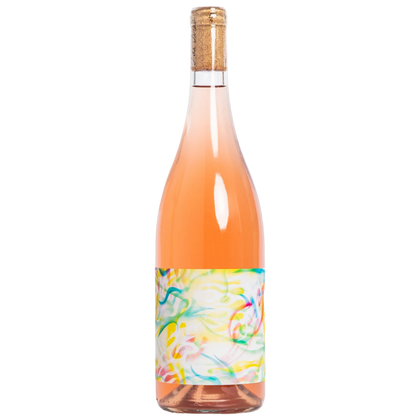


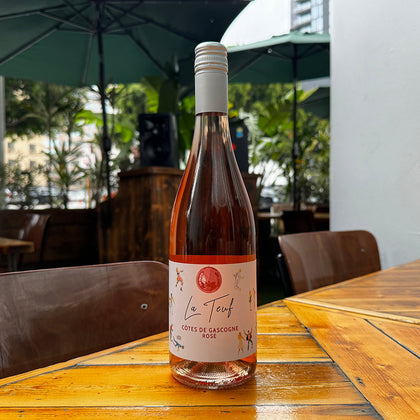

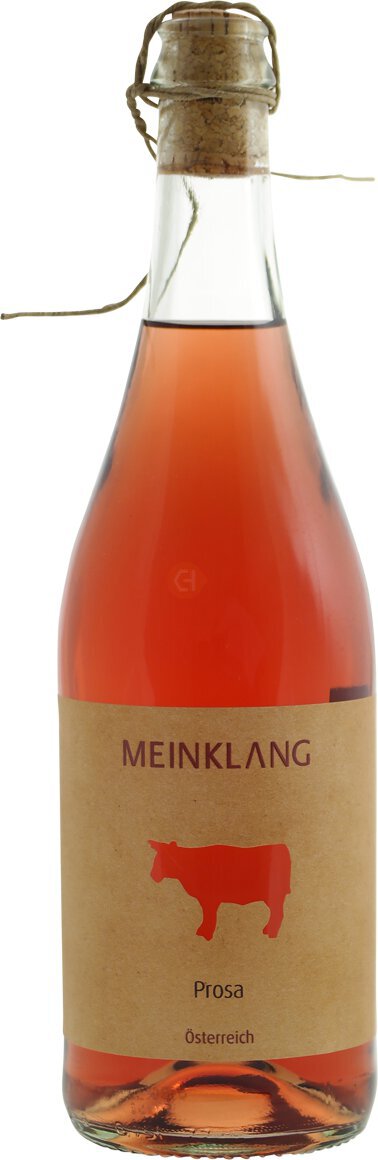

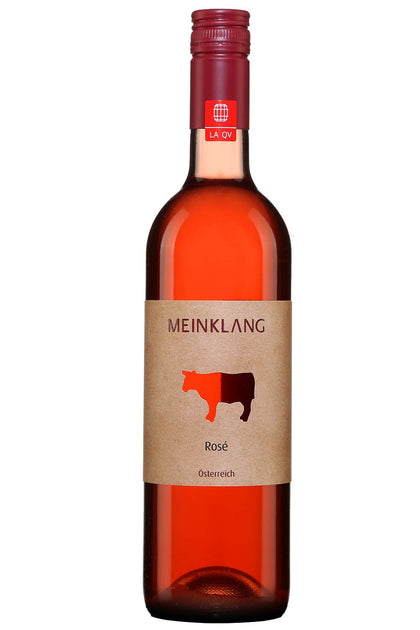
Most rosé is dry, including nearly everything from Provence, the rest of France and Spain, and most of what we stock. The color doesn't tell you anything about sugar. A deep pink rosé can be completely dry, and the sweet styles are usually blush wines like white zinfandel. If a bottle says brut, sec or dry, or comes from Provence, expect it to be dry.
Most rosé is made by crushing red grapes and leaving the juice on the skins for a few hours, sometimes up to a day or two. That short contact tints the juice pink without pulling much tannin. The juice is then fermented like a white wine. Some rosé is made by bleeding off juice from a red wine tank (saignée), and blending red and white wine together is only allowed for rosé Champagne in the EU.
Dry rosé is one of the easiest wines to pair. It works with grilled fish and shrimp, salads, charcuterie, tacos, pizza, sushi and most takeout. Fuller, darker rosé from Tavel or Spain can handle grilled chicken, lamb burgers and spicy food. It's also a good compromise when one person wants red and another wants white.
Rosé is made to drink young. Most bottles taste best within one or two years of the vintage on the label, while the fruit is still fresh. A few serious rosés, like Bandol or Tavel, can age longer. Once opened, put the cork or a stopper back in and keep it in the fridge, where it will stay good for three to four days.