


Riesling
More than half our riesling is German, from the Mosel, Rheingau and Pfalz, ranging from dry Trocken to Spätlese.
Shop all Riesling
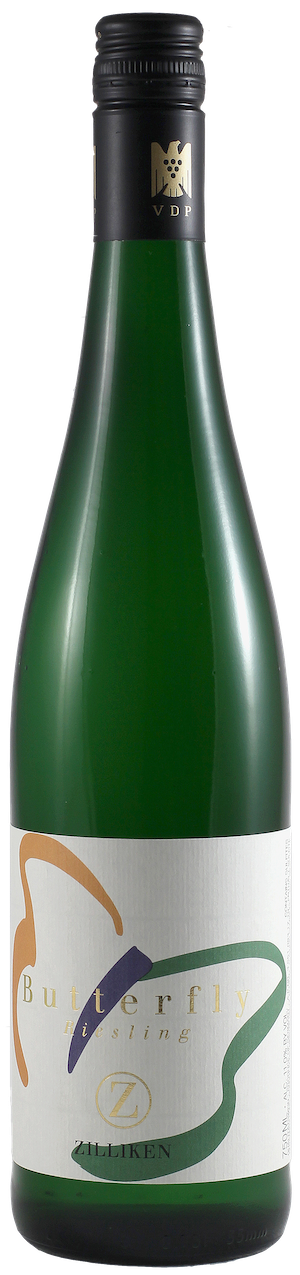
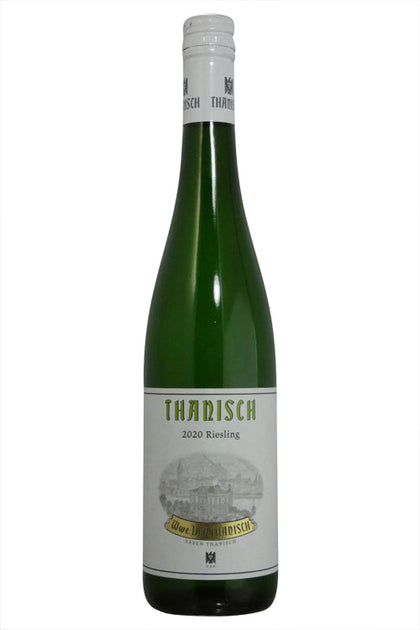
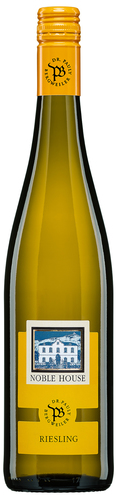


Riesling questions
Is riesling sweet?
Riesling can be bone dry, off dry or very sweet, so check the label. On German bottles, trocken means dry and halbtrocken or feinherb means off dry. Kabinett is light and often a little sweet, while Spätlese and Auslese are riper and usually sweeter. Austrian, Alsace and most Australian riesling are dry. Many US bottles now print a sweetness scale on the back label.
What's the difference between Kabinett and Spätlese?
Both are German ripeness levels, called Prädikat, based on sugar in the grapes at harvest. Kabinett is made from grapes picked at normal ripeness, giving light, delicate wines, often around 8 to 10% alcohol. Spätlese means late harvest, so the grapes are riper and the wine is fuller and usually sweeter. Either can also be made dry, labeled trocken.
Which is sweeter, riesling or sauvignon blanc?
Riesling, on average. Sauvignon blanc is almost always made dry. Riesling is made in every style from dry to lusciously sweet, and its high acidity balances the sugar so even sweeter versions taste fresh rather than heavy. If you want a dry riesling, look for trocken, dry, or bottles from Austria, Alsace and Australia.
Why does riesling sometimes smell like petrol?
The petrol or kerosene note comes from a compound called TDN, which forms as riesling ages, especially from grapes exposed to lots of sun or grown in warm years. It's common in aged German and Australian riesling. Some drinkers love it as a sign of maturity, while others find it off-putting. Young riesling rarely shows it.