

Austrian Riesling
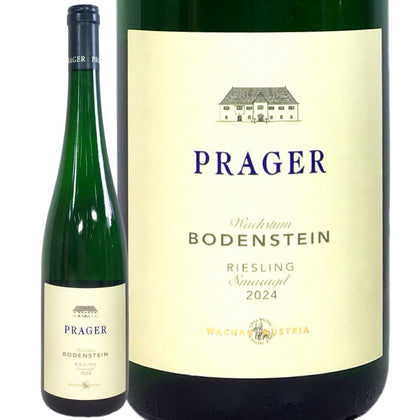
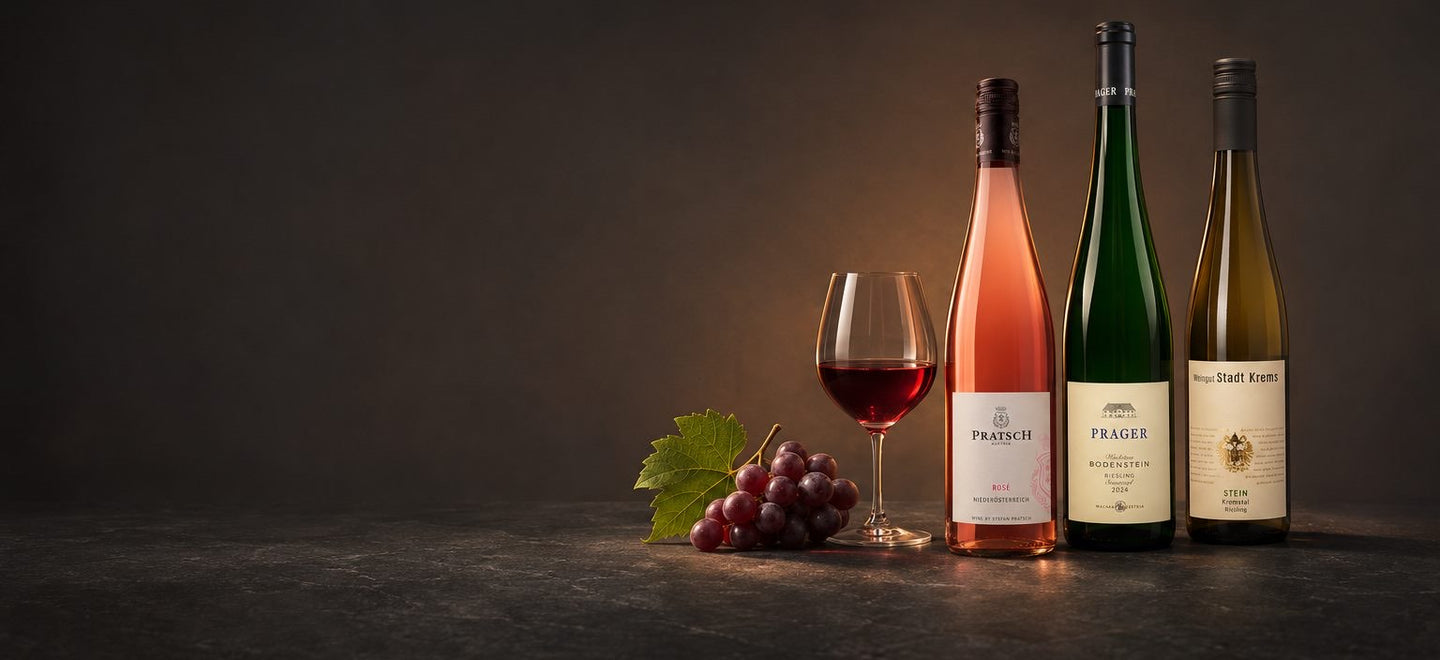
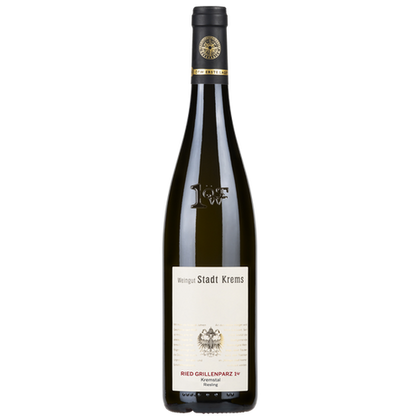
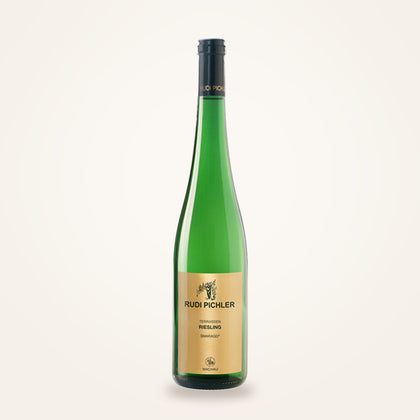
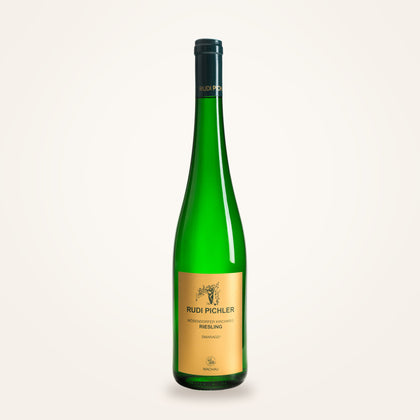
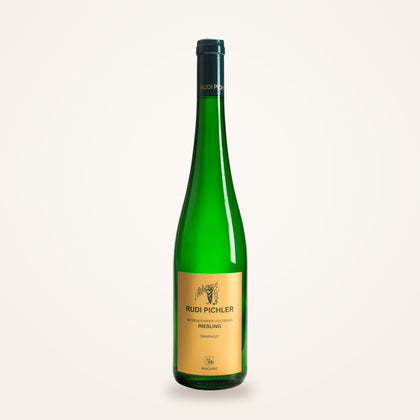
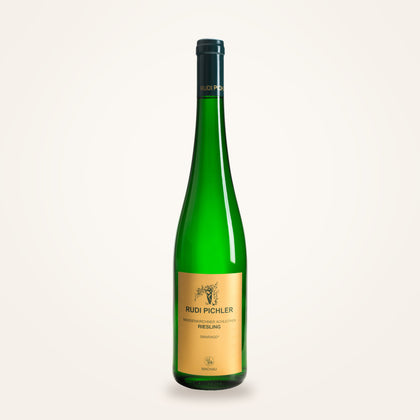
Stadt Krems leads our Austrian riesling, with most bottles from Niederosterreich and Kamptal.


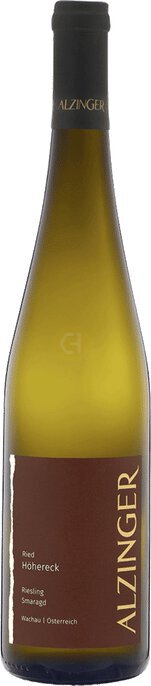


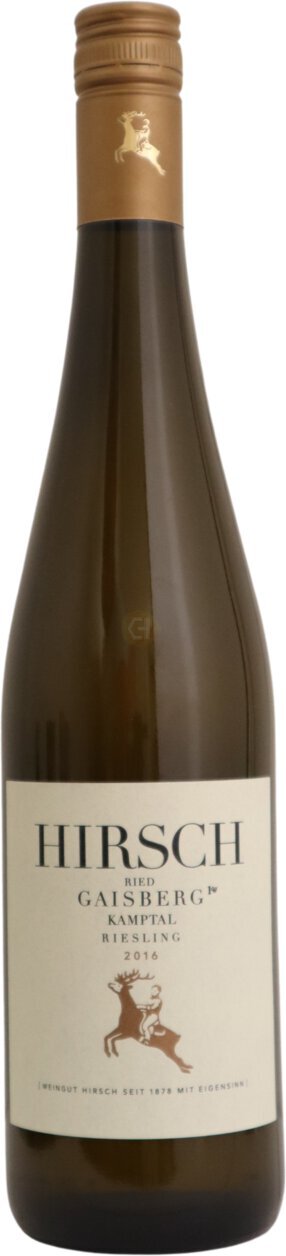
Austrian Riesling questions
What is Austrian Riesling like?
Austrian Riesling is usually dry, precise, and high in acidity. It often shows lime, lemon, peach, apricot, white flowers, and stony mineral notes. In regions such as Wachau, Kamptal, and Kremstal, it can develop depth and age well. Austrian bottlings are generally less overtly sweet than many people expect from Riesling.
Is Austrian Riesling dry or sweet?
Most Austrian Riesling is dry. Its ripe peach and apricot aromas can suggest sweetness, but the palate is commonly driven by brisk acidity and a dry finish. Look for dry or trocken on the label when available. Dessert-style Riesling exists, though it is a separate style from the dry wines most often encountered.
How is Austrian Riesling different from German Riesling?
Both countries make high-quality Riesling with vivid acidity and citrus or stone-fruit character. German Riesling spans dry, off-dry, and sweet styles, and lower alcohol is common in sweeter versions. Austrian Riesling is more often dry, fuller in body, and shaped by warm continental conditions and rocky vineyard sites.
What food pairs with Austrian Riesling?
Dry Austrian Riesling pairs well with trout, salmon, shellfish, roast chicken, pork, sushi, and dishes with herbs or gentle spice. Its acidity also works with creamy sauces and rich fish. Chill it to about 45 to 50 degrees Fahrenheit. More complex examples can warm a little in the glass before serving.