


German Riesling
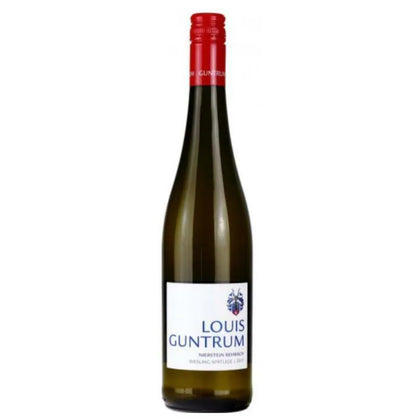
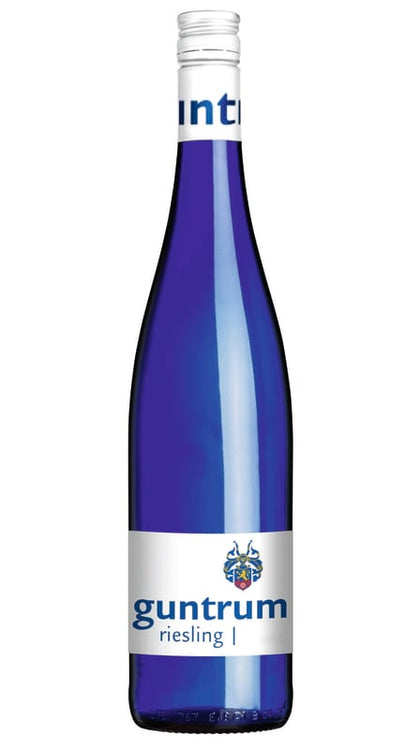
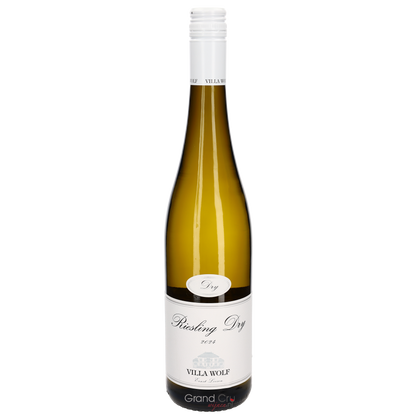
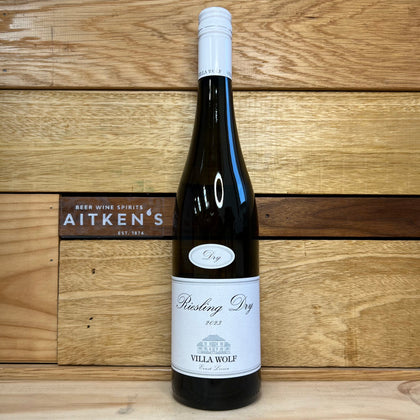
Producers such as Dr Loosen, Dr L and Georg Breuer make up much of our German riesling, with Mosel-Saar-Ruwer and Rheingau leading.
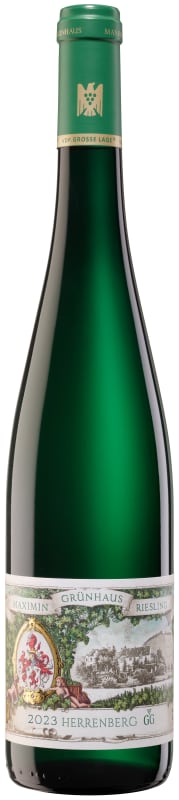
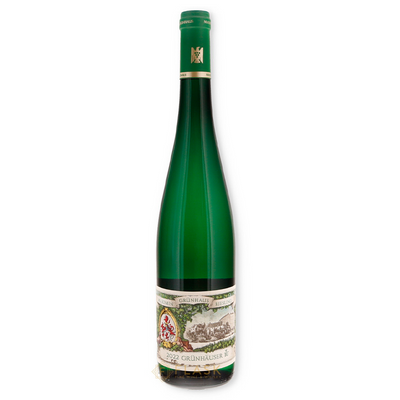
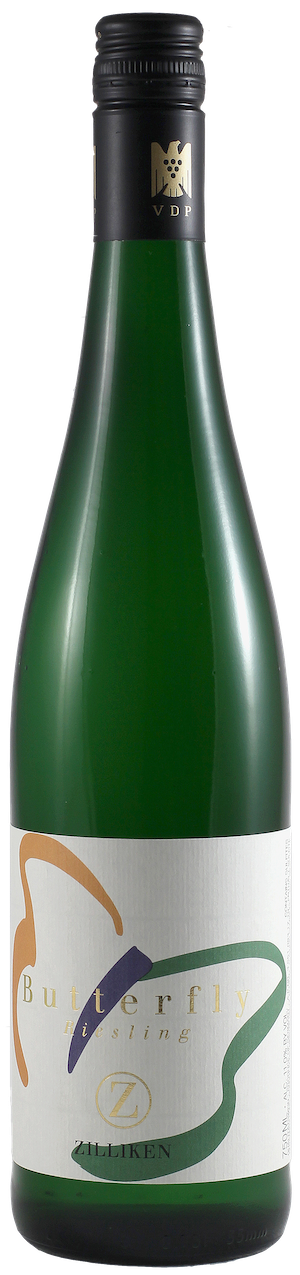
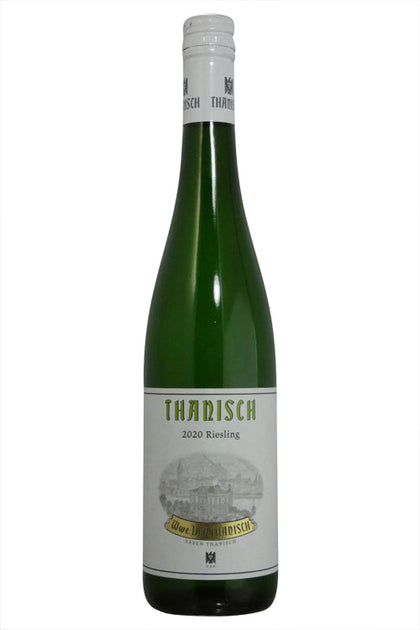
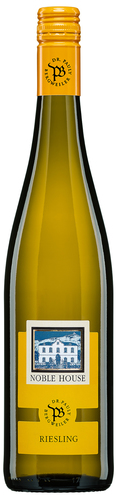


German Riesling questions
What does German Riesling taste like?
German Riesling can range from dry to sweet, but it is typically defined by lively acidity and scents of lime, green apple, peach, white flowers, and slate-like mineral notes. Cooler regions help it retain freshness even when residual sugar is present. Age can add honey, dried fruit, and sometimes a distinctive petrol-like aroma.
How do I read a German Riesling label?
Start with the producer and region, then look for a dryness indication such as trocken for dry or feinherb for an off-dry style. Terms like Kabinett and Spätlese describe harvest ripeness under German wine rules, though sweetness still depends on the final wine. Alcohol level can offer another useful clue to perceived sweetness.
What food pairs with German Riesling?
Its acidity makes it versatile with pork, roast chicken, trout, shellfish, and dishes flavored with ginger or herbs. Off-dry examples are especially helpful with spicy Thai, Indian, or Sichuan food because a little sweetness softens heat. Dry styles also suit sushi, salads, and lighter cheeses. Serve well chilled around 45 to 50°F.
Can German Riesling age?
Well-made German Riesling can age for many years because high acidity helps preserve its freshness. Dry, off-dry, and sweet examples may all evolve, though richer wines often last longest. Over time, primary citrus and stone fruit flavors can become honeyed, smoky, and more complex. Store bottles cool, dark, and on their sides.