


Napa Valley Cabernet
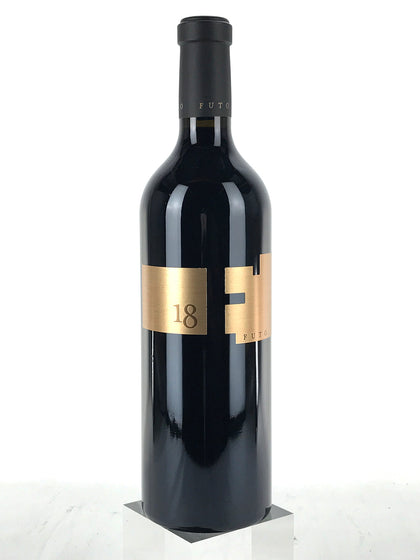
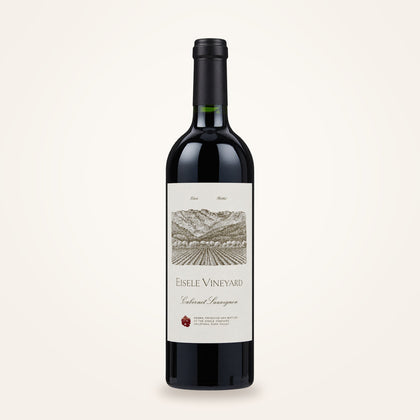
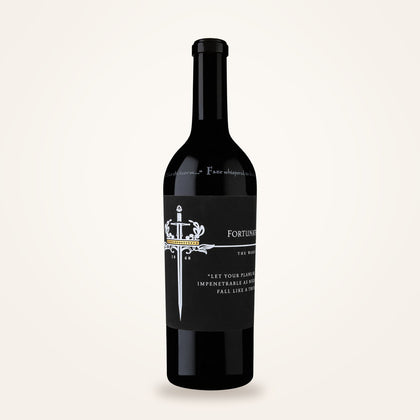
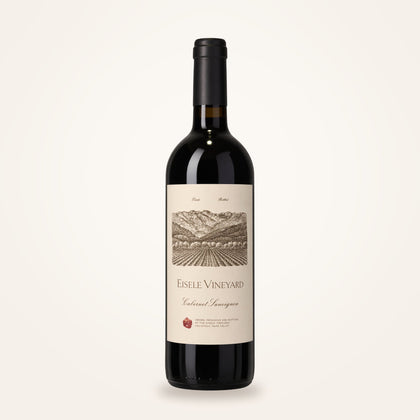
Napa Valley Cabernet is full and dark, with blackcurrant, cedar and firm tannins that suit steak and years in the cellar.

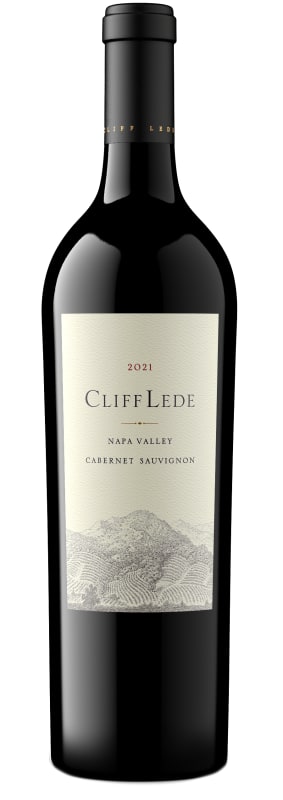
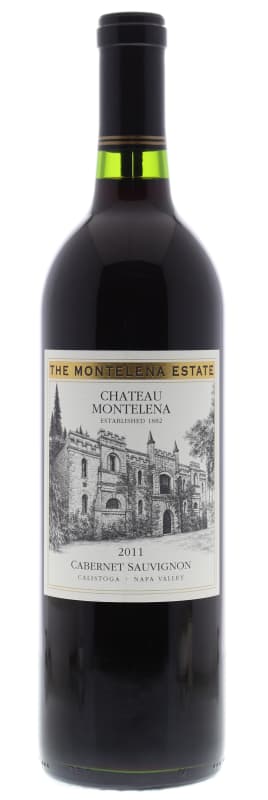


More Napa Valley Wine
Napa Valley Cabernet questions
What does Napa Valley cabernet sauvignon taste like?
Napa Valley cabernet sauvignon is often full-bodied, with black currant, blackberry, plum, cassis, cedar, and baking-spice flavors. It typically has firm tannins and ample ripeness, though hillside and cooler sites can add savory or fresh notes. Barrel aging commonly contributes vanilla, toast, cocoa, or cigar-box aromas to the wine.
What is the difference between Napa Valley cabernet and Bordeaux?
Wines from Napa are often riper and fuller, with generous black fruit, higher alcohol, and more obvious new-oak influence. Bordeaux reds are usually blends that can include cabernet sauvignon, merlot, cabernet franc, petit verdot, and malbec. Their cooler maritime climate often brings more acidity, savory notes, and a firmer, more restrained profile.
How long should Napa cabernet be decanted?
Young Napa cabernet often benefits from one to two hours in a decanter, especially if it is tannic or tightly wound. Air can soften the impression of tannin and open black-fruit and cedar aromas. Older bottles need less time and should be checked regularly, since delicate mature aromas can fade quickly with prolonged exposure to air.
What food pairs with Napa Valley cabernet?
It pairs well with steak, lamb, burgers, short ribs, roast beef, and aged hard cheeses. Its firm tannins are softened by protein and fat, while its dark fruit stands up to grilled or roasted flavors. Avoid very spicy or highly sweet sauces, which can make a dry, tannic red wine seem hotter and more bitter.