
Cellar selection
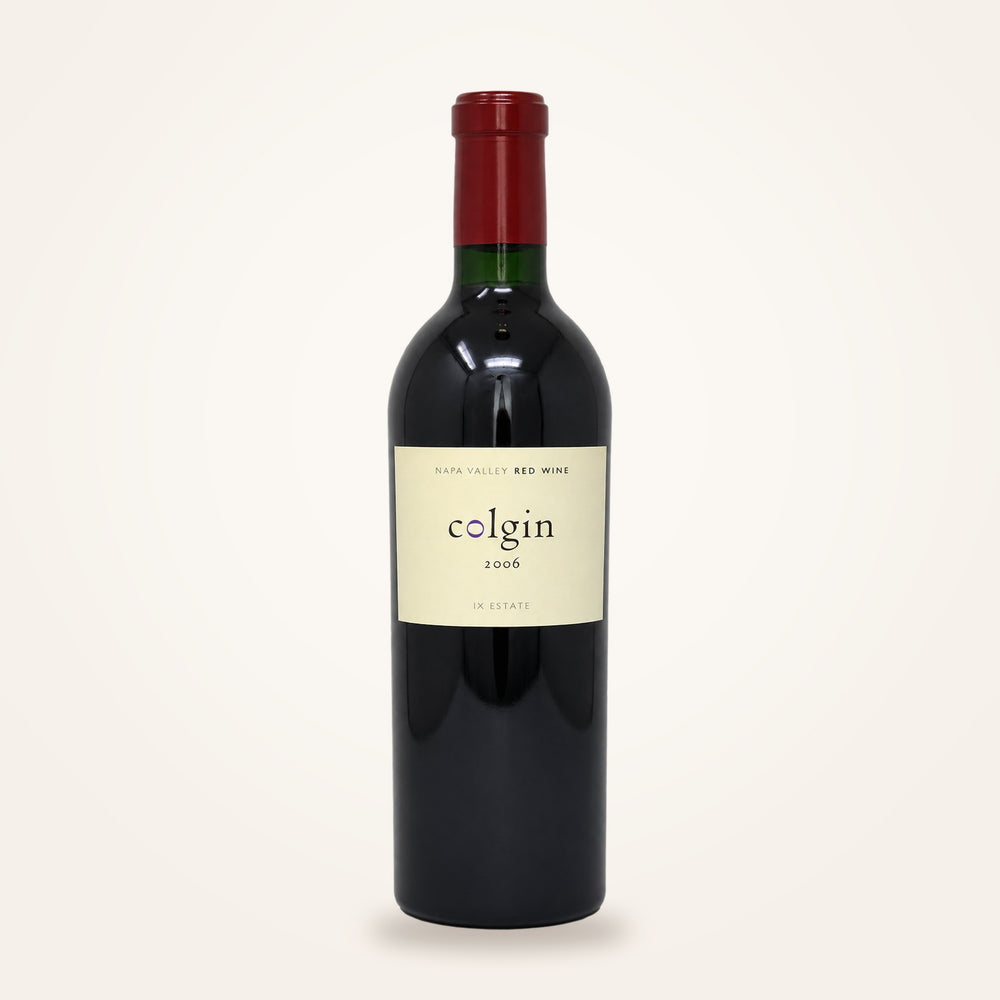
Colgin Cellars IX Estate 2006 (1.5L)
Complete your case
6 wines: 10% off · 12: 20% off-
Château Latour Grand Vin 2010 (750ml) $2,377.50
-
Château Musar Rouge 1966 (750ml) $2,251.00


Ready in 2 to 3 days for pickup, free local delivery or shipping.
Pickup at:983 Manhattan Avenue, Brooklyn, NY 11222 FREE
Delivery hours: 3–10 PM (New York time).
Enter your address at checkout to check availability.
Delivery depends on your address and stock available locally.
- Country
- United States
- Region
- California
- Grape
- Cabernet Sauvignon, Merlot, Cabernet Franc, Petit Verdot
- Size
- 1.5 L
Description
Ann Colgin founded Colgin Cellars in Napa Valley in 1992, and IX Estate is its wine from a vineyard in the hills east of the valley floor. This 2006 is in a 1.5L magnum, a large format that tends to age more slowly and evenly than a standard bottle. Cabernet Sauvignon leads the style of the estate.
Twenty years on, this bottle deserves an unhurried evening. Stand it upright for a day, then decant for an hour or two before pouring at about 63 F. Prime rib, dry-aged steak or a rich beef stew can stand up to it, and the magnum gives a table of eight or more plenty to share.
Questions about Colgin Cellars IX Estate 2006
- Why is Colgin IX Estate so expensive?
- Ann Colgin founded the winery in 1992, and production is very small, mostly from hillside vineyards on Pritchard Hill. Wines sell through a mailing list, and collector demand far exceeds the supply.
- What grapes are in Colgin IX Estate?
- It is a Napa Cabernet Sauvignon blend with Merlot, Cabernet Franc and Petit Verdot. Cabernet Sauvignon leads, with the other varieties adding softness, perfume and color.
- Where does Colgin IX Estate grow?
- The IX Estate vineyard sits on Pritchard Hill, in the hills east of Napa Valley above Lake Hennessey. Rocky, thin soils and altitude make for small berries and concentrated wine.
- Can Colgin IX Estate be aged?
- Yes. Hillside Napa Cabernet like this has the tannin and concentration to age for decades. Younger bottles benefit from decanting and a few hours of air.


