

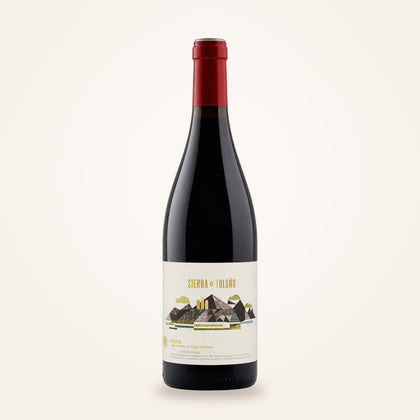

Tempranillo
Tempranillo is Spain's main red grape, and it makes medium-bodied wines with cherry, leather and tobacco notes, most famously in Rioja.


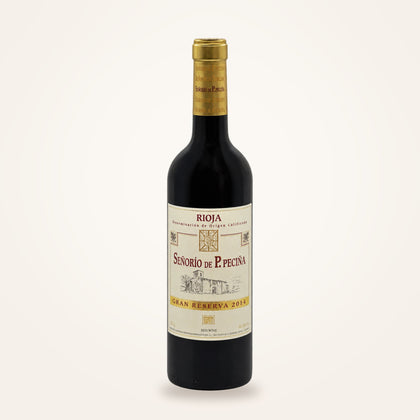

More Wine
Tempranillo questions
What does Tempranillo wine taste like?
Tempranillo commonly tastes of cherry, plum, dried fig, tobacco, leather, and savory herbs. It usually has medium to full body, moderate acidity, and firm yet approachable tannin. Oak aging can add vanilla, cedar, coconut, or baking spice. In warmer places it leans riper and darker, while cooler sites retain brighter fruit.
Is Tempranillo similar to Cabernet Sauvignon?
Tempranillo and Cabernet Sauvignon can both have structure and age-worthy tannin, yet Tempranillo is often less overtly tannic and more red-fruited. Cabernet commonly shows blackcurrant, cedar, and green-herbal notes. Tempranillo frequently brings cherry, plum, dried herbs, and oak spice. A Rioja Reserva can be a useful bridge for Cabernet drinkers.
What food pairs with Tempranillo?
Tempranillo's moderate acidity and savory character suit lamb, pork, roast chicken, mushrooms, grilled vegetables, Manchego, and cured ham. Younger examples work with burgers and tapas. More mature, oak-aged bottles fit braised meats and roast lamb. Serve it at 60 to 65 degrees Fahrenheit, slightly below a warm room temperature.
How long can Tempranillo age?
Basic Tempranillo is often best within a few years of release, when fruit remains vivid. Higher-quality bottles with concentration, acidity, tannin, and careful oak aging can develop for a decade or longer. Rioja's Crianza, Reserva, and Gran Reserva categories require increasing minimum aging periods, though the label category alone does not guarantee longevity.