

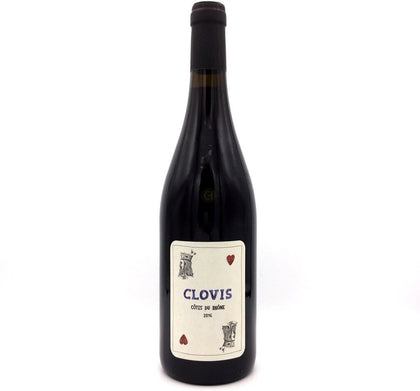

Organic Red Wine
Picks from Côtes du Rhône and California lead our organic red wine.
-
-

-

-

-
 Zillamina Red Organic 750ML$16.00
-
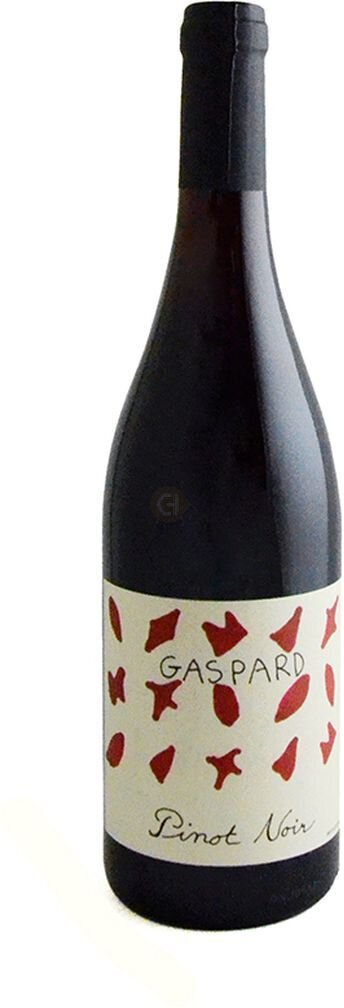 Gaspard Pinot Noir 750ML$20.00
-
Sold out 
-
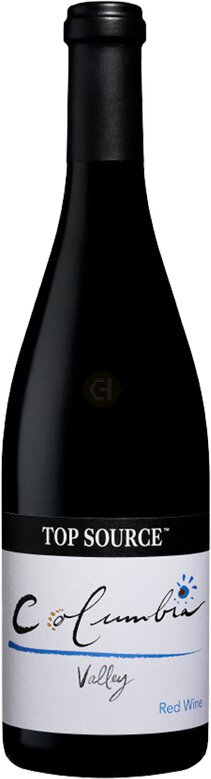 Top Source$26.00
-

-
 Chono Carménère 2022 750ML$19.00
-

-


Organic Red Wine questions
How is organic red wine made?
Organic red wine begins with grapes grown under an organic certification standard, which generally restricts synthetic pesticides, herbicides and fertilizers. Rules vary by country and by certifier. Vineyard certification does not automatically describe every cellar practice, and permitted sulfite limits may differ. Check the specific label or certification for the clearest information about production.
Does organic red wine taste different?
Organic certification does not determine a single flavor profile. A red wine's taste still depends most on grape variety, climate, soil, ripeness and winemaking. You can find organic reds that are light and juicy, full and tannic, fruity, earthy, oaked or unoaked. Choose by grape and style preference rather than assuming a uniform taste.
How do I choose an organic red wine?
Choose organic red wine the same way you would choose any red, starting with food and preferred body. Pinot Noir or Gamay can suit lighter meals, while Cabernet Sauvignon, Syrah or structured blends work with richer meat dishes. Look for a recognized organic certification if that matters to you. Ask about sweetness, tannin and oak if those preferences guide your choice.
What food pairs with organic red wine?
Food pairing depends on the grape and style rather than organic status. Light, high-acid reds work with chicken, salmon, mushrooms and charcuterie. Medium-bodied wines suit pizza, pasta and pork. Full-bodied, tannic reds pair well with steak, lamb and aged cheeses. Matching the wine's weight to the dish remains the most useful guide.