


Valpolicella
Producers such as Sant' Antonio make up much of our Valpolicella, with Veneto leading.


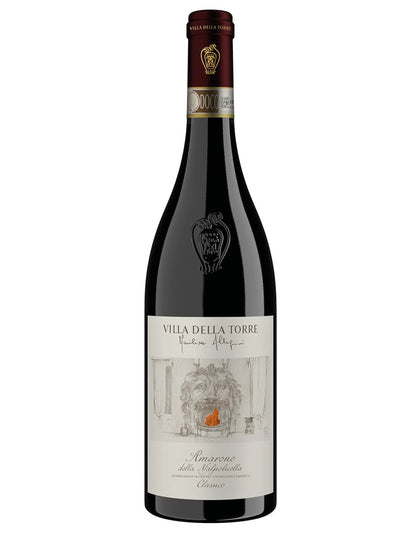


Valpolicella questions
What does Valpolicella wine taste like?
Valpolicella is usually a dry red wine with sour cherry, red plum, raspberry, violet, almond, and subtle herbal flavors. Classic versions are light to medium-bodied with fresh acidity and moderate tannin. Styles vary from simple, bright Valpolicella to richer Ripasso and Amarone-related wines, so the designation on the label makes a significant difference.
What is the difference between Valpolicella and Amarone?
Basic Valpolicella is a fresher, lighter red made from the region’s traditional grapes, often led by Corvina. Amarone uses dried grapes before fermentation, making it fuller-bodied, higher in alcohol, and much more concentrated. Valpolicella Ripasso sits between them, gaining extra richness from contact with Amarone skins while retaining more freshness than Amarone.
Is Valpolicella a light red wine?
Classic Valpolicella is generally a light to medium-bodied red with bright cherry fruit, lively acidity, and modest tannin. It is usually lighter than Amarone and many Cabernet-based wines. A Ripasso bottling is richer and more structured, however, so check the label. Serving classic Valpolicella slightly cool highlights its refreshing, everyday style.
What food pairs with Valpolicella?
Classic Valpolicella pairs with pizza, pasta with tomato sauce, grilled sausages, roast chicken, cured meats, and vegetable lasagna. Its acidity is especially good with tangy tomato dishes and salty cheeses. Richer Ripasso versions can handle braised meats, mushrooms, and beef ragù. Serve classic bottles around 55 to 60 degrees Fahrenheit.