


Tempranillo
Tempranillo is Spain's main red grape, and Rioja crianza, reserva and gran reserva are at the center of our selection.
Shop all Tempranillo
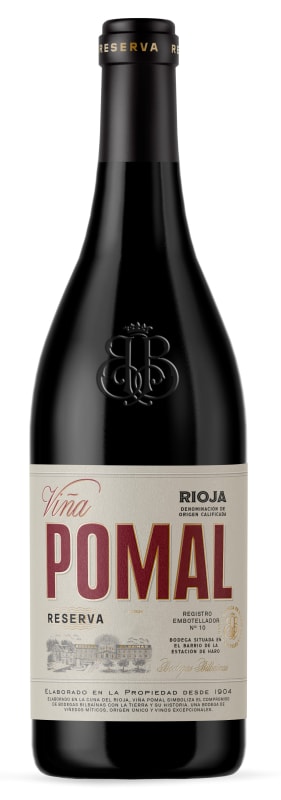
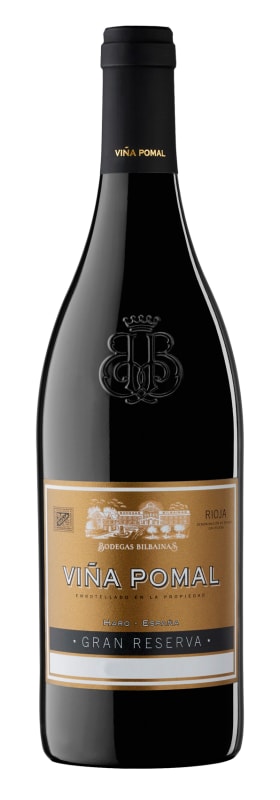
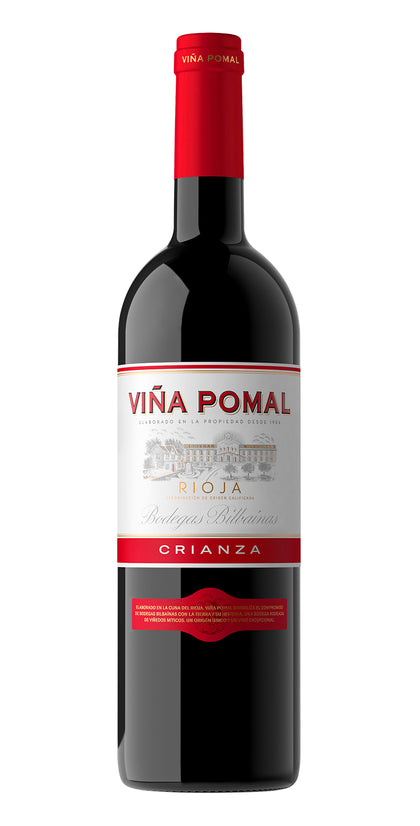

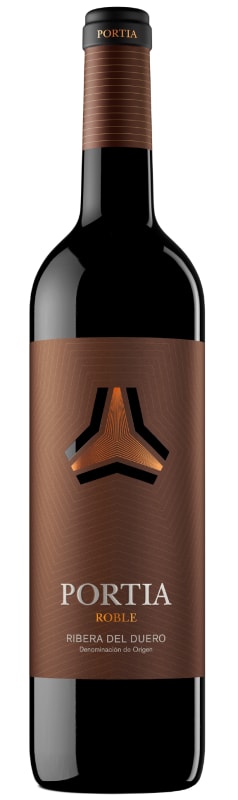


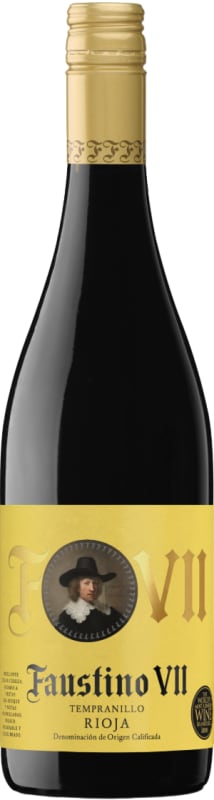
Tempranillo questions
What's the difference between tempranillo and crianza?
Tempranillo is the grape, the main red variety in Rioja, Ribera del Duero and much of Spain. Crianza is an aging category on Spanish labels, not a grape. In Rioja, crianza means at least two years of aging with one year in oak barrels, so a crianza from Rioja is usually made mostly from tempranillo.
What does tempranillo taste like?
Tempranillo has cherry, red plum and dried fig, with savory notes of leather, tobacco and earth. Wines aged in American oak, common in traditional Rioja, pick up vanilla, coconut and dill, while French oak gives more spice and toast. Young tempranillo is fresh and fruity, and aged reservas become silky and complex.
What food goes with tempranillo?
Tempranillo is made for Spanish food. Try it with roast lamb, chorizo, jamón, grilled pork, paella with meat, and aged manchego. Young, fruity versions go well with tapas and burgers, and older reservas with roasts and mushroom dishes. Its moderate tannin makes it versatile at the table.
What do roble, reserva and gran reserva mean?
They're Spanish aging terms. Joven or roble means a young wine with little or no oak, roble usually meaning a few months in barrel. Crianza ages at least two years with some in oak. Reserva ages at least three years, with at least one in oak, and gran reserva at least five years, with two in oak. Rules vary slightly by region.