


Sake
Japanese sake from Niigata, Gunma and Hyogo fills most of this shelf, with Brooklyn Kura's local sake next to it.
-

-

-

-

-

-

-
Sold out 
-

-

-
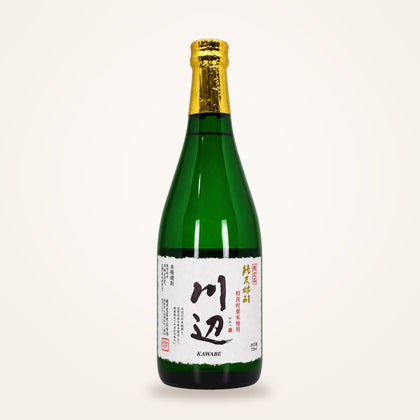 Kawabe Shochu 720mL 24%alc$37.00
-
Sold out 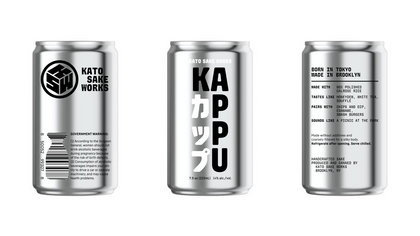 Kappu CAN$11.00
-

-
Sold out 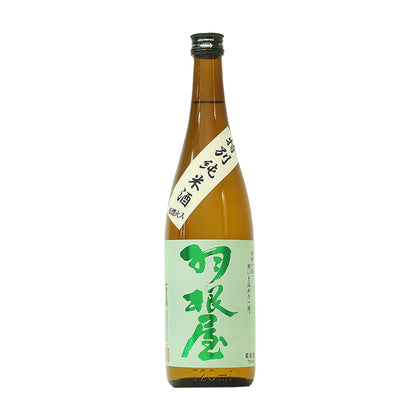
-

-
Sold out 


Sake questions
What are the main types of sake?
Sake is graded by how much the rice is polished and whether alcohol is added. Junmai is made only from rice, water, yeast and koji. Ginjo uses rice polished to at least 60% of its original size and tastes lighter and fruitier, and daiginjo goes to 50% or less. Honjozo has a little distilled alcohol added. Nigori is coarsely filtered and cloudy.
Should sake be served hot or cold?
It depends on the style. Delicate, aromatic ginjo and daiginjo taste best chilled, around 45 to 55°F, since heat hides their fruit and flowers. Fuller, earthier junmai and honjozo can be enjoyed at room temperature or gently warmed to around 105 to 120°F, especially in cold weather. Cheap sake is often served hot to hide its flaws.
How strong is sake?
Most sake is around 15 to 16% alcohol, a little stronger than most wine. Undiluted genshu can reach 18 to 20%, and some sparkling and low-alcohol sakes are around 5 to 12%. Even though it's often called rice wine, sake is brewed more like beer, with the starch converted to sugar and fermented at the same time.
How long does sake last once opened?
Keep opened sake in the fridge and drink it within one to two weeks. Delicate ginjo and daiginjo fade fastest, while fuller junmai holds up a little longer. Unopened, most sake is best within about a year of the bottling date on the label. Store unopened bottles somewhere cool and dark, and refrigerate unpasteurized namazake.