


Spanish Garnacha
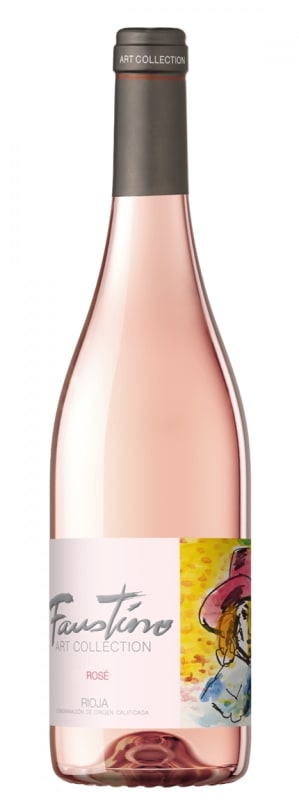
Bottles from Faustino Vii, Sara I Rene Partida Bellvisos and Rico Nuevo Barrera sit at the center of our Spanish garnacha, mostly from Aragon and Rioja.
-

-
-

-
-

-
-
-
-
-
-
-
-
-
-
-
Breca Rose 2017 (750ml)$2.00
-
-
-
-
-
-
-
-


Spanish Garnacha questions
What does Spanish Garnacha taste like?
Spanish Garnacha commonly shows ripe red cherry, raspberry, strawberry, dried herbs, and pepper. It can feel warm and generous because the grape ripens easily, while old vines and higher sites often bring more freshness and mineral detail. Styles range from light, juicy reds to concentrated, oak-aged wines with firm structure.
How is Spanish Garnacha different from French Grenache?
Both names refer to the same grape, yet climate and regional practice shape the wine. Spanish examples often emphasize sun-ripened fruit, herbal notes, and power, especially from old vines. French Grenache is frequently blended in the Rhône and may show more savory garrigue character. Either country can produce fresh or full-bodied versions.
What food pairs with Spanish Garnacha?
Roast lamb, grilled pork, chorizo, and dishes with smoked paprika work especially well with Spanish Garnacha. Its ripe fruit can handle mild heat, while its acidity refreshes richer foods. Serve lighter versions with tapas or mushroom dishes. Reserve more concentrated bottles for braises, barbecue, and aged sheep's-milk cheese.
Should Spanish Garnacha be served chilled?
A slight chill helps Spanish Garnacha taste balanced and aromatic. Serve lighter, fruit-forward bottles around 55 to 60°F, and fuller, oak-aged examples around 60 to 65°F. Refrigerate a room-temperature bottle for about 20 minutes before opening. Very cold temperatures can mute the fruit and make tannins seem harder.