


Pinot Noir
Burgundy, from regional Bourgogne to premier crus in Gevrey-Chambertin, makes up a big part of our pinot noir.
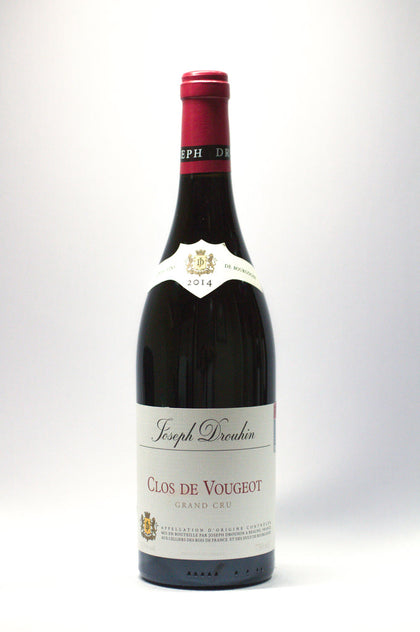


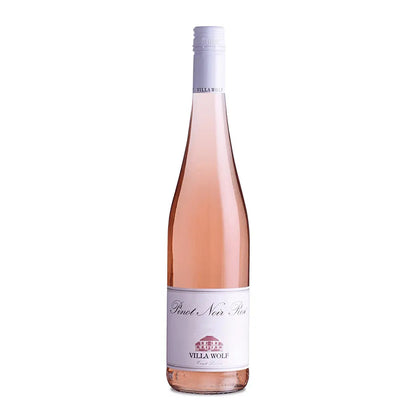


Pinot noir questions
What's the difference between cabernet and pinot noir?
Pinot noir is light in color and tannin, with red fruit like cherry and raspberry, plus earth and mushroom notes. It's thin-skinned and grows best in cool climates. Cabernet sauvignon is dark and full bodied, with black currant, cedar and firm tannin, and it needs warmer weather. Pinot is lighter and more delicate, cabernet bigger and more structured.
How do you say pinot noir?
Pinot noir is pronounced PEE-noh NWAHR. The T in pinot and the R at the end of noir are soft. The name comes from the French words for pine (pin), because the grape bunches look like pine cones, and black (noir). Pinot grigio and pinot blanc are color mutations of the same grape.
Why is good pinot noir expensive?
Pinot noir is thin-skinned and sensitive, so it's hard to grow and prone to rot and disease. It needs cool climates and low yields to taste its best. Burgundy's top vineyards are tiny and divided among many owners, so supply is limited and demand is global. The best Oregon, California and New Zealand pinots also come from small, costly vineyards.
What does a premier cru label mean?
In Burgundy, vineyards are ranked by quality. Grand cru is the top level, about 1% of production, and premier cru (1er cru) is the second level, from specific vineyards with excellent sites. Below that are village wines and regional Bourgogne. Premier cru often offers great quality for less than grand cru.