


Mezcal
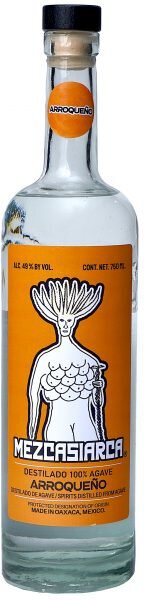
Small family producers in Oaxaca make the bulk of our mezcal, and many bottles come from wild agave.

Mezcal questions
How is mezcal different from tequila?
Tequila is technically a type of mezcal, but the two are made differently. Tequila uses only blue Weber agave, mostly from Jalisco, and the agave is usually steamed in ovens. Mezcal can use dozens of agave species from Oaxaca and eight other states, and the hearts are traditionally roasted in earthen pits over wood, which gives mezcal its smoky character.
What does mezcal taste like?
Most mezcal has some smoke from the pit roasting, but smoke shouldn't be the only thing you taste. Behind it you'll find the agave itself, which can be green and vegetal, tropical and fruity, mineral, floral or earthy depending on the species, the region and the maker. Espadín is the most common and easiest to start with, while wild agaves like tobalá and tepeztate taste more complex.
Is mezcal stronger than tequila?
Often, yes. Many artisanal mezcals are bottled between 45 and 55% ABV because producers prefer to keep the spirit close to the strength it comes off the still. Most tequila is bottled at 40%. That extra strength is why mezcal is usually sipped slowly in small pours rather than taken as shots.
What is pechuga mezcal?
Pechuga is a special style of mezcal distilled a third time with seasonal fruit, nuts and spices in the still and a raw chicken or turkey breast hanging above them. The vapors pass over everything on their way to the condenser. The result is softer and rounder, with fruit and a faint savory note. It was traditionally made for weddings and holidays.
How do you drink mezcal?
Sip it neat at room temperature, in small amounts, letting it sit on your tongue before swallowing. In Oaxaca it's often served in a shallow copita or jicara with orange slices and sal de gusano, a salt made with toasted agave worm and chile. Espadín also makes great cocktails, like a mezcal negroni or a smoky margarita.