


Italian Chardonnay
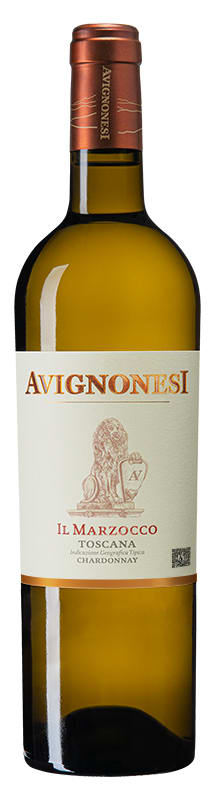
From Trentino-Alto Adige and Lombardia come most of our Italian chardonnay, including Ronco Calino Franciacorta, Zardetto and Tramin.



Italian Chardonnay questions
What does Italian chardonnay taste like?
Italian chardonnay often shows fresh apple, lemon, pear, and white peach flavors, with acidity that keeps the palate lively. Alpine regions can give particularly crisp, mineral styles, while warmer areas may produce riper fruit and rounder texture. Oak-aged bottles can add toast, vanilla, and creaminess, though many are made in a restrained, food-friendly style.
Where is chardonnay grown in Italy?
Chardonnay is grown across Italy, particularly in northern regions such as Trentino-Alto Adige, Lombardy, Veneto, and Piedmont. It is also important in some traditional-method sparkling wines, including Franciacorta. Cooler mountain and northern sites tend to preserve acidity, while warmer locations can make a fuller, riper expression of the grape.
How is Italian chardonnay different from French chardonnay?
Both countries make chardonnay in many styles. Italian examples often emphasize bright fruit and acidity, especially from northern, cooler regions. French chardonnay has a long association with Burgundy and Chablis, where site designations and oak practices strongly shape style. In either country, climate and cellar choices matter more than a simple national comparison.
Should Italian chardonnay be decanted?
Most Italian chardonnay does not need decanting. Chill it first, then open it 10 to 20 minutes before pouring if it is a fuller, oak-aged wine. That brief air contact can soften a tight aroma and reveal fruit and spice notes. Young, crisp examples are best poured soon after opening to preserve their freshness.