


Espadín
Shop espadín with a strong showing from Oaxaca and Puebla.


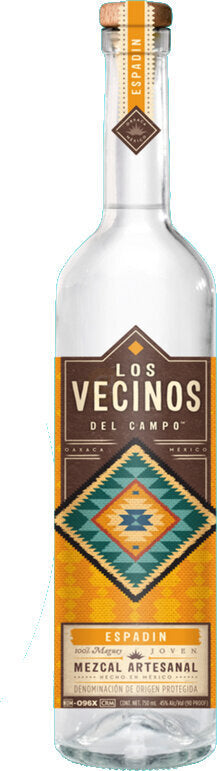

Espadín questions
What is espadín mezcal?
This is the most widely cultivated agave used for mezcal. Its botanical name is Agave angustifolia, and it is valued because it matures more quickly and predictably than many wild agaves. The resulting spirit is made by cooking agave hearts, fermenting the sugars, and distilling the liquid, often in small batches.
What does espadín mezcal taste like?
Espadín mezcal often shows cooked agave, earth, citrus, herbs, pepper, and varying levels of smoke. The smoky character comes from roasting agave hearts in underground pits in many traditional methods, though intensity differs greatly. Fermentation, water source, still type, and village also shape flavor, so espadín can be delicate, fruity, savory, or boldly smoky.
Is espadín mezcal smoky?
Many espadín mezcals have a smoky note because agave hearts are commonly roasted in earthen pits before fermentation. Smoke is only one part of the profile, however. A bottle may also taste floral, fruity, herbal, mineral, or earthy. Production choices and the producer's style determine how prominent smoke becomes, so it should not be assumed from the word mezcal alone.
What food pairs with espadín mezcal?
Grilled meats, roasted vegetables, mole, tacos, and dishes with chile, citrus, or savory smoke pair well with this style. Its earthy, agave driven character also complements aged cheeses and nuts. For a simple tasting, orange slices with a little sal de gusano are traditional in some settings. Serve neat in small pours to appreciate the aromas.