


Chilean Chardonnay
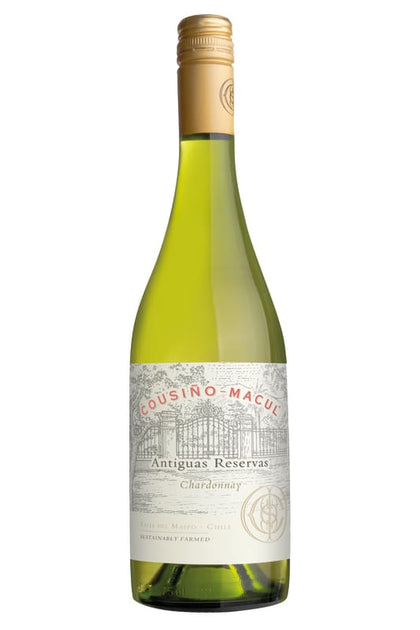
Producers such as Terranoble Classic and Cousino Macul Classic make up much of our Chilean chardonnay, with Valle Central and Aconcagua leading.


Chilean Chardonnay questions
What does Chilean Chardonnay taste like?
Chilean Chardonnay can range from crisp and citrusy to rich and oak-influenced. Cooler coastal areas often produce lemon, green apple, and mineral notes with lively acidity. Warmer inland sites may give riper peach, pineapple, or melon flavors. Some wines use malolactic fermentation or oak, adding creamier texture, toast, vanilla, or butter-like aromas.
Is Chilean Chardonnay oaked?
Some Chilean Chardonnay is oaked, but many bottles are made in a fresh, unoaked style. Cool-climate producers often emphasize citrus, acidity, and mineral character with little new oak. Richer versions may use barrel fermentation or aging to add toast and creaminess. A back label or producer description usually indicates oak use, though texture and flavor are also useful clues.
What food pairs with Chilean Chardonnay?
Crisp Chilean Chardonnay pairs well with ceviche, grilled fish, shellfish, salads, and goat cheese. Richer, oaked examples can handle roast chicken, pork, lobster, creamy pasta, or corn dishes. Match the weight of the wine to the preparation. A lean bottle suits simply seasoned seafood, while a broader one works better with butter, cream, or smoke.
Should Chilean Chardonnay be chilled?
Serve light, unoaked Chilean Chardonnay around 45 to 50 degrees Fahrenheit. Fuller, oak-aged examples are better closer to 50 to 55 degrees so their texture and aromas show clearly. If it is very cold, pour a glass and wait several minutes before judging it. Keep the bottle chilled between pours to preserve freshness.