


California Cabernet
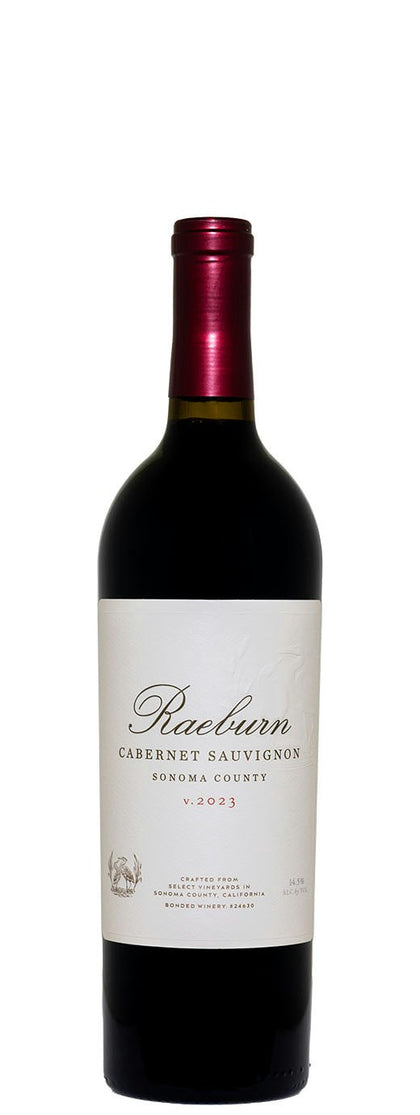
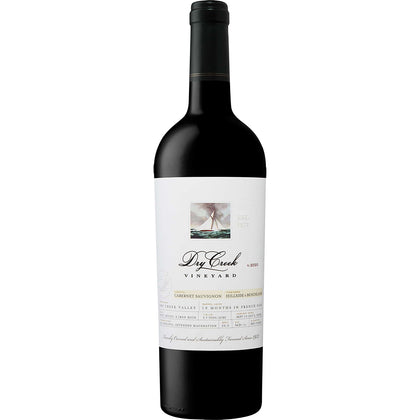
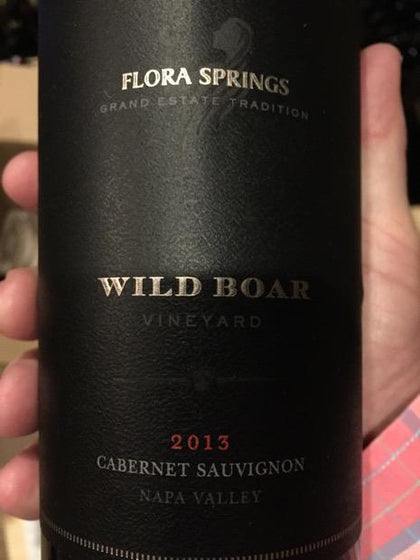
Bottles from The Counselor, Pine Ridge and Matchbook sit at the center of our California cabernet.





California Cabernet questions
What does California Cabernet Sauvignon taste like?
California Cabernet Sauvignon often shows blackcurrant, blackberry, plum, cedar, cocoa, and baking-spice flavors. Warmer areas can produce ripe, full-bodied wines with high alcohol and broad texture. Cooler sites may retain more acidity, herbs, and tannic structure. Oak aging is common and can add vanilla or toast. Style varies widely by region, vintage, and producer.
How is California Cabernet different from Bordeaux?
Compared with red Bordeaux, it is often riper, fuller-bodied, and more immediately fruit-forward. Bordeaux blends commonly combine Cabernet Sauvignon with Merlot, Cabernet Franc, Petit Verdot, or Malbec and may show more earth, cedar, and restrained fruit. California wines can also be blends, but the warmer climate often produces softer tannins and richer black-fruit flavors at release.
What food pairs with California Cabernet?
Grilled steak, lamb chops, burgers, roast beef, short ribs, and aged hard cheeses are strong matches. Its tannins bind with protein and feel smoother alongside meat. Rich mushroom dishes can also work well. Avoid delicate white fish or lightly dressed salads, which can seem thin beside the wine. Let very tannic bottles breathe before serving.
How long can California Cabernet age?
Age potential depends on concentration, acidity, tannin, alcohol, and storage. Many everyday California Cabernets are enjoyable within a few years of release. Well-made, structured examples can develop for a decade or longer, gaining cedar, tobacco, and savory complexity. Store bottles on their sides in a cool, dark place with stable temperature. Check producer guidance when available.