


Barbera
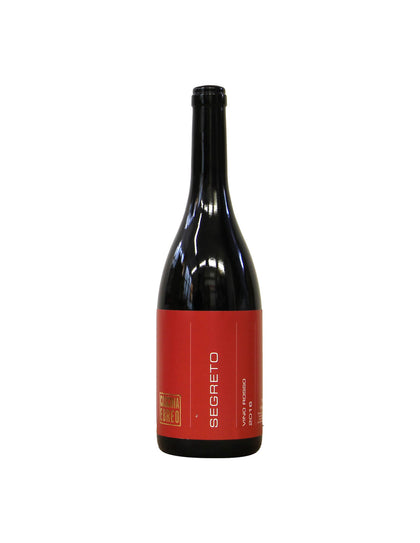
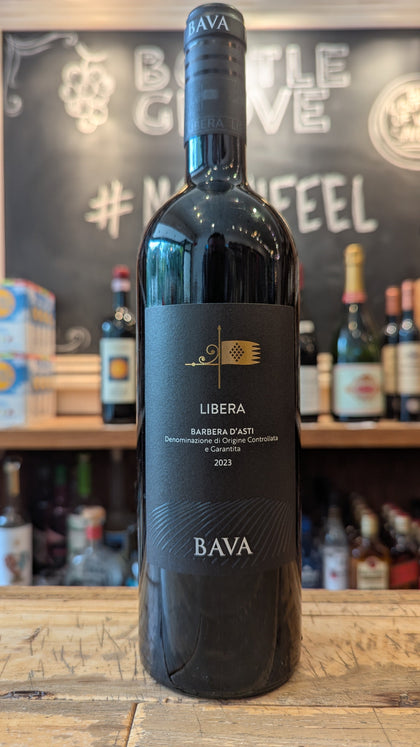
Producers such as Cascina Luisin Axilium, Damilano D'Asti and Tre Pile make up much of our barbera, with Piedmont and Piemonte leading.

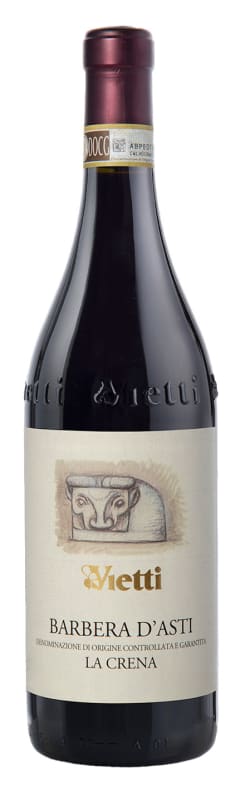
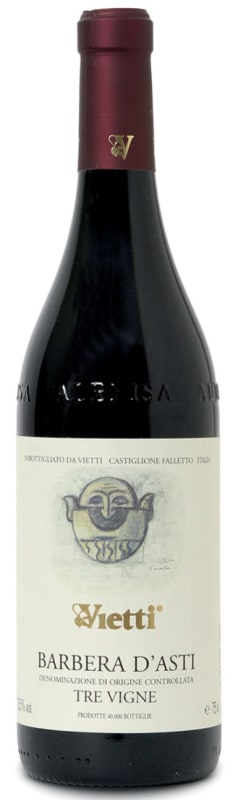


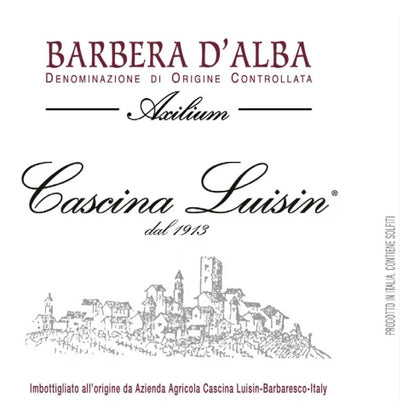

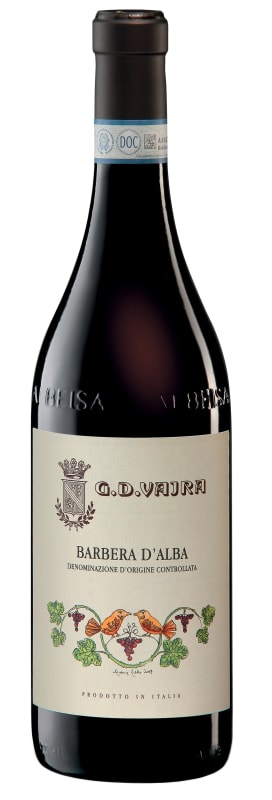
Barbera questions
What does Barbera wine taste like?
Barbera typically offers sour cherry, blackberry, plum, violet, and sometimes sweet spice from oak. It is known for high acidity and relatively low tannin, which gives the wine energy and makes it easy to pair with food. Piedmont examples range from bright everyday wines to richer, barrel-aged bottles with greater depth and texture.
What is the difference between Barbera d'Asti and Barbera d'Alba?
Both are Piedmont appellations for Barbera, yet they come from different areas and can show different expressions. Barbera d'Asti is often lively and structured, while Barbera d'Alba may feel broader or more perfumed depending on site and producer. The label's aging terms, oak use, and vintage are often more useful than a simple regional generalization.
What food pairs with Barbera?
Barbera's high acidity makes it excellent with tomato-based pasta, pizza, lasagna, sausage, grilled pork, and mushroom dishes. It can refresh creamy sauces and rich cheeses without heavy tannin. Serve lighter versions slightly cool. More concentrated, oak-aged bottles handle braised meats and truffle dishes, while still retaining enough acidity to stay lively at the table.
Should Barbera be decanted?
Most young Barbera can be poured directly, particularly lighter styles meant for early drinking. A richer, oak-aged bottle may benefit from 20 to 30 minutes of air to soften its edges and release aromas. Decant mature bottles only if needed for sediment. Serve around 55 to 65°F, with the lighter end of the range for fresher examples.