


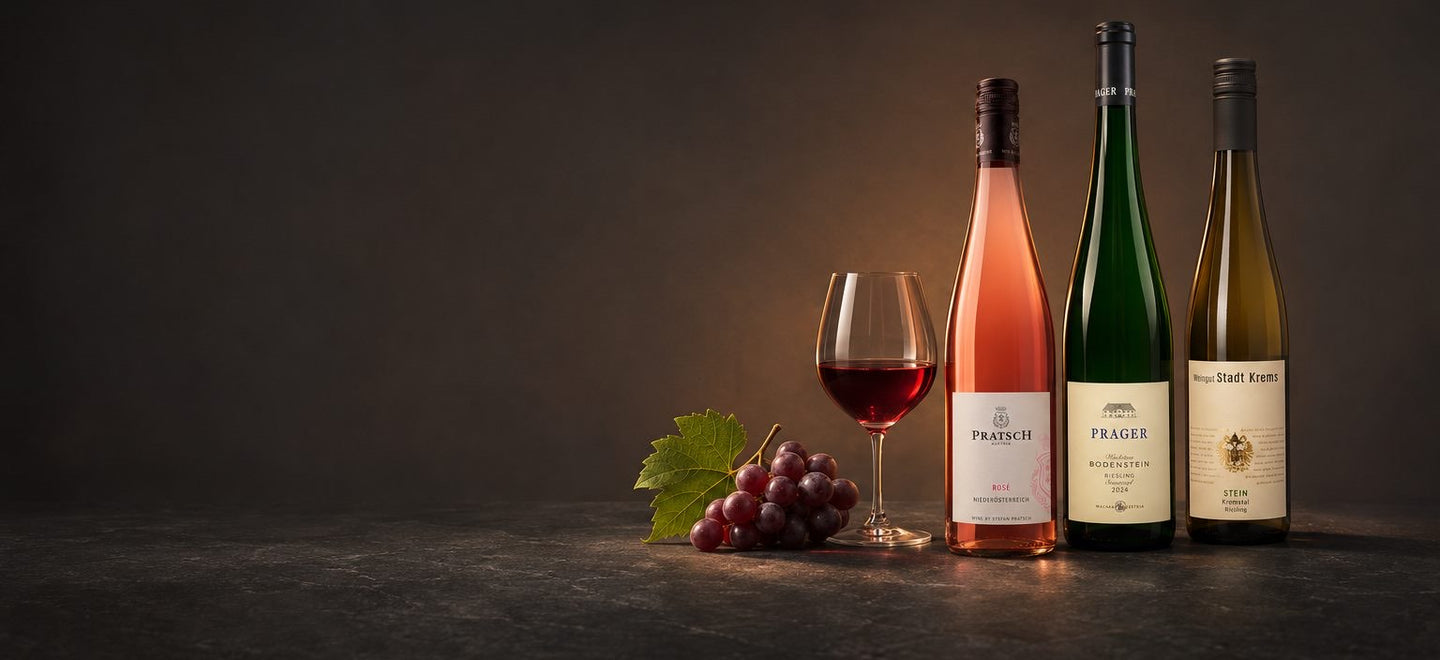
Austrian Sparkling
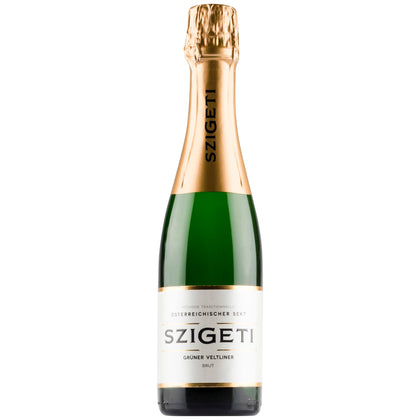
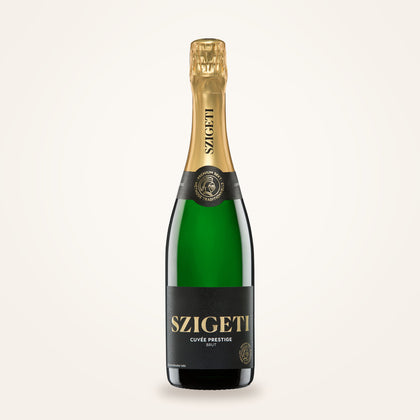
Burgenland and Kamptal supply most of our Austrian sparkling.


Austrian Sparkling questions
What is Austrian sparkling wine?
Austrian sparkling wine is often called Sekt. It may be made by the traditional method, tank method, or other permitted sparkling techniques, so style varies by producer. Traditional-method examples can show finer bubbles and bready notes from bottle aging. Grapes include Grüner Veltliner, Riesling, Chardonnay, Pinot varieties, and local red grapes.
Is Austrian Sekt the same as Champagne?
Austrian Sekt and Champagne are both sparkling wines, yet Champagne comes only from its French region and follows its own appellation rules. Austrian Sekt can be made with similar bottle-fermentation methods, but it uses different grapes and regional conditions. Expect a broad stylistic range, from bright fruit-forward bottles to more yeasty, complex traditional-method wines.
Is Austrian sparkling wine dry?
Many Austrian sparkling wines are dry, particularly those labeled Brut, Extra Brut, or Brut Nature. The exact sweetness depends on dosage after disgorgement. Brut Nature is driest, Extra Brut is very dry, and Brut is still dry with a touch more roundness. Check the label because styles outside these categories can be sweeter.
What food pairs with Austrian sparkling wine?
Sparkling wine's acidity and bubbles make it versatile with salty snacks, fried foods, sushi, shellfish, cured meats, mild cheeses, and roast chicken. A dry Austrian Sekt also works well as an aperitif. Chill it to about 45 degrees Fahrenheit, open carefully, and pour into a white wine glass for more aromatic detail.