


Australian Sangiovese
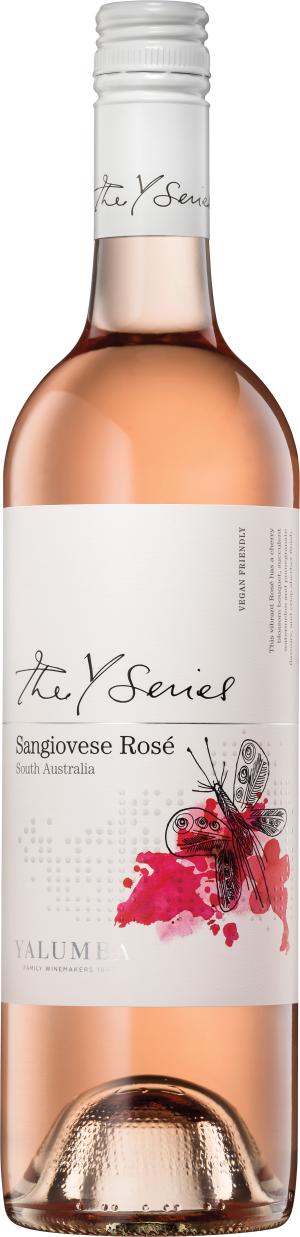
Names like Yalumba Y Series anchor our Australian sangiovese, largely from Yarra Valley and South Australia.


Australian Sangiovese questions
What does Australian Sangiovese taste like?
Australian Sangiovese often offers sour cherry, red plum, cranberry, dried herbs, and earthy notes, with bright acidity and moderate tannin. Warmer conditions can bring riper fruit than classic Tuscan versions, while cooler sites may retain more bite and floral detail. Oak use varies, so some wines are savory and light while others are broader.
Is Australian Sangiovese similar to Chianti?
The grape is the same one behind Chianti, so both can show cherry, herbs, acidity, and a savory edge. Chianti is an Italian appellation with its own regional rules and traditions, while Australian versions reflect different climates and winemaking. These wines may taste riper or more fruit-forward, but individual producers can make many different styles.
Should Australian Sangiovese be chilled?
Serve it slightly cooler than room temperature, around 60 to 65°F. This keeps its red fruit fresh and makes tannins feel smoother. If the bottle is warm, refrigerate it for 15 to 20 minutes before opening. Lighter examples can be served near the lower end of that range, especially in warm weather.
What food goes with Australian Sangiovese?
It goes well with pizza, tomato pasta, grilled lamb, sausage, eggplant, mushrooms, and hard cheeses. The wine's acidity works naturally with tomatoes, while its tannin supports grilled meat. Choose simpler, herb-driven dishes rather than sweet barbecue sauces. A medium-bodied example can also make a flexible companion for casual Italian-style meals.