


Australian Chardonnay
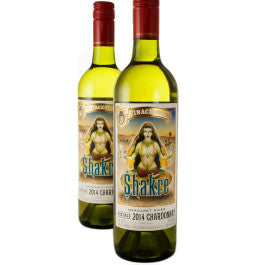
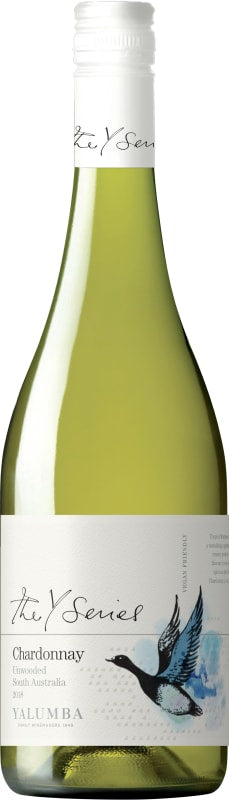
Bottles from St Kilda, Vinaceous Shakre and Yalumba Y Series Unwooded sit at the center of our Australian chardonnay, mostly from West Australia and South Australia.


Australian Chardonnay questions
What does Australian chardonnay taste like?
Australian chardonnay ranges from bright, citrusy, and lightly oaked to concentrated and buttery. Cooler regions often bring grapefruit, lemon, white peach, and firm acidity. Warmer areas can show riper stone fruit and melon. Many contemporary examples use measured oak and lees aging, adding cashew, toast, or creamy texture without overwhelming freshness.
How is Australian chardonnay made?
Australian producers may ferment chardonnay in stainless steel, oak barrels, or both. Lees aging can build texture and savory, nutty notes, while malolactic fermentation can soften acidity. Some wines are made to be crisp and fruit-forward, and others are intentionally richer and barrel-aged. Producer notes about fermentation and oak provide useful style clues.
How is Australian chardonnay different from California chardonnay?
Both countries make a wide spectrum, from crisp unoaked wines to rich barrel-aged styles. Australian chardonnay from cooler sites often emphasizes grapefruit, white peach, and firm acidity. California chardonnay frequently leans toward riper orchard or tropical fruit, especially from warmer regions. Winemaking choices can outweigh country, so compare climate and oak treatment too.
What temperature should Australian chardonnay be served at?
Serve most Australian chardonnay around 50 to 55 degrees Fahrenheit. Lean, unoaked bottles are appealing at the cooler end, while layered barrel-aged wines show better texture and aroma closer to 55 degrees. Avoid serving it ice-cold, which can mute fruit and make acidity seem harder. A short rest after refrigeration usually helps.