


Australian Cabernet
This Australian cabernet selection leans on South Australia and West Australia, with standouts from Yalumba Y Series and Jim Barry Cover Drive.
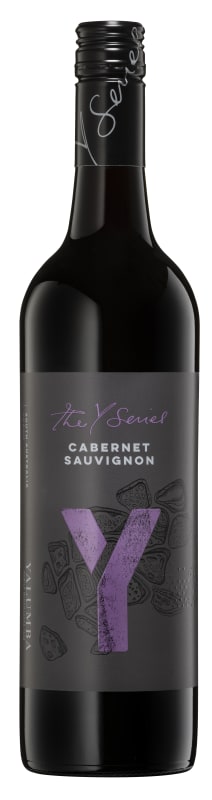


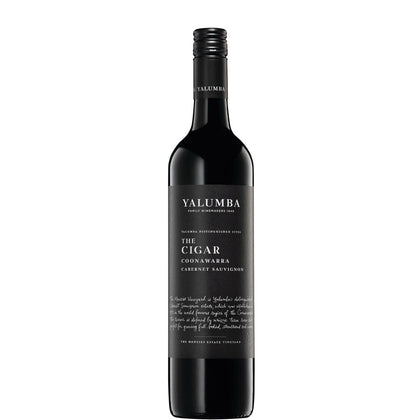


Australian Cabernet questions
What does Australian cabernet sauvignon taste like?
Australian cabernet sauvignon often has black currant, blackberry, plum, mint, eucalyptus, cedar, and dark chocolate notes. It is typically dry and structured, with tannins that can range from firm to supple. Cooler regions tend to preserve acidity and herbal detail, while warmer sites may give riper fruit and a richer palate.
Why does Australian cabernet taste like eucalyptus?
Eucalyptus or mint notes can occur in some Australian cabernets, particularly where vineyards grow near eucalyptus trees or in certain warm regional conditions. The aroma is linked to compounds called eucalyptol, which can be present in grapes or transferred from surrounding vegetation. It is a possible regional character, not a requirement for Australian cabernet.
How is Australian cabernet different from Bordeaux?
These wines are frequently varietal-labelled and can show riper black fruit, mint, and a generous body. Bordeaux red is usually a blend, with cabernet sauvignon often joined by merlot and other permitted grapes. Bordeaux's climate and traditional style may bring more savory restraint. Both can be structured and oak-aged, depending on producer choices.
What food pairs with Australian cabernet?
It pairs well with grilled beef, lamb chops, roast meats, meat pies, mushrooms, and aged hard cheeses. The grape's tannin and dark fruit work best with savory foods that have enough richness. Mint, rosemary, pepper, and smoky grill flavors can echo its herbal and spice notes without adding sweetness to the dish.