


Armagnac and French Brandy
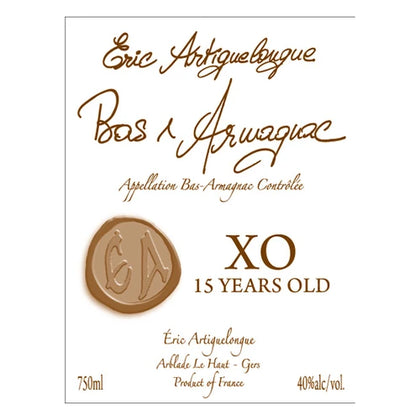
This Armagnac and French brandy selection leans on Charente and Calvados, with standouts from Philbert Single, Eric Artiguelongue and Darroze.


Armagnac and French Brandy questions
What is the difference between Armagnac and Cognac?
Armagnac and Cognac are French grape brandies from different protected regions. Armagnac is commonly distilled once in a continuous still, which can retain a fuller, more rustic character. Cognac is typically distilled twice in copper pot stills and often tastes more polished and floral. Both are aged in oak and labeled with age designations or vintage information.
How should Armagnac be served?
Pour Armagnac in a small tulip-shaped glass at cool room temperature, around 60 to 68 degrees Fahrenheit. A large balloon glass can concentrate alcohol too quickly. Sip it slowly after a meal, or use younger expressions in cocktails. Avoid warming the glass aggressively in your hands, since excess heat can mute delicate fruit and oak aromas.
What does Armagnac taste like?
Expect dried plum, apricot, orange peel, vanilla, baking spice, toasted nuts, and rancio, a mature nutty complexity developed through aging. Character varies with grape varieties, distillation, cask age, and vintage. Younger bottles can be bright and fruity, while long-aged examples become deeper, more oxidative, and more layered without necessarily tasting sweet.
Can French brandy be used in cocktails?
French brandy works in many classic cocktails, especially younger or less rare bottlings. Try it in a Sidecar, Brandy Alexander, Vieux Carré, or a simple highball with soda and citrus. Save older, vintage, or particularly complex Armagnac for sipping, since mixing can hide the details that make it distinctive. Use measured amounts because brandy is high-proof.