


Italian Sparkling
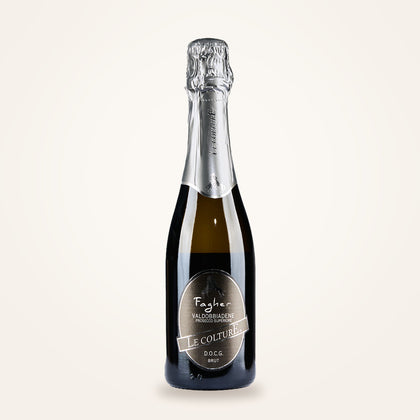
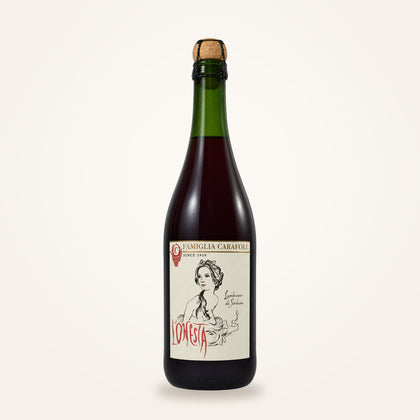
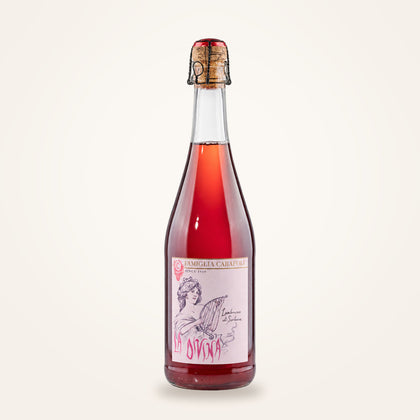
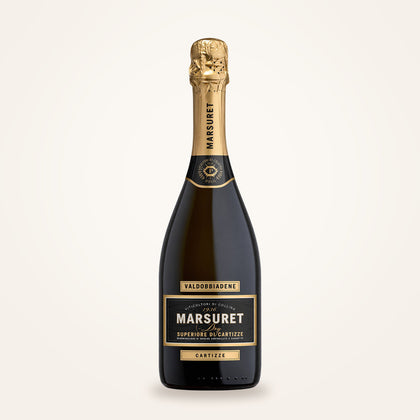
Italian sparkling wine ranges from light, off-dry Moscato to dry Franciacorta and Prosecco, and most of it works as an aperitivo.
-

-
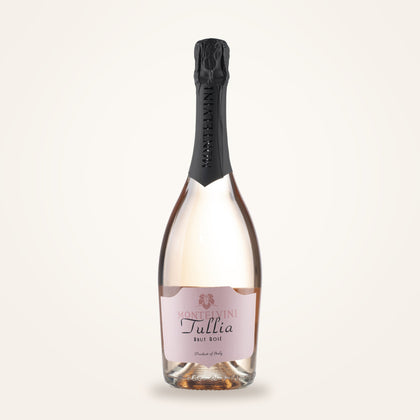 Tullia Brut Rosé NV (750ml)$18.00
-
-
-
-
-
-
-

-
-
-
-
-
-
-

-
-
-
-
-
-

-
-


More Sparkling Wine
Italian Sparkling questions
How are Prosecco, Franciacorta and Asti different?
Italy makes several important sparkling styles. Prosecco is typically tank-fermented and fruit-forward. Franciacorta uses bottle fermentation, often with Chardonnay and Pinot varieties, for more autolytic complexity. Asti is aromatic and usually sweet, while Lambrusco is sparkling red or rosé from Emilia. Labels such as brut indicate a drier sweetness category.
What is the difference between Prosecco and Franciacorta?
Prosecco is generally made by fermenting wine in pressurized tanks, a method that emphasizes floral, apple, pear, and citrus fruit. Franciacorta undergoes a second fermentation in each bottle, similar to Champagne, which can add toast, creaminess, and finer bubbles. Franciacorta is usually more structured and often spends longer aging before release.
What food goes with Italian sparkling wine?
Italian sparkling wine suits salty appetizers, fried seafood, pizza, risotto, soft cheeses, prosciutto, and light pasta dishes. Dry versions are especially useful with fried foods because their bubbles and acidity refresh the palate. Sweeter sparkling styles pair better with fruit desserts or pastries. Serve most bottles thoroughly chilled, around 40 to 45 degrees Fahrenheit.
How long does Italian sparkling wine last after opening?
An opened bottle stays best for one to three days when sealed with a proper sparkling-wine stopper and refrigerated. The stopper slows the loss of carbon dioxide, though bubbles and aromas fade over time. Drink it as soon as practical for the liveliest texture. A regular wine cork or spoon does not reliably preserve carbonation.